Author Archives: Jeanne Jackson

I'll let Massomeh Roberts tell the story:

“I saw a large Great Blue Heron on the bluff overlooking Black Point Beach. It was moving very slowly, focused on the ground. All of a sudden its head was down into the ground, and it came up with a Vole! I had my camera ready, and snapped the shot as the bird was getting ready to take off.”
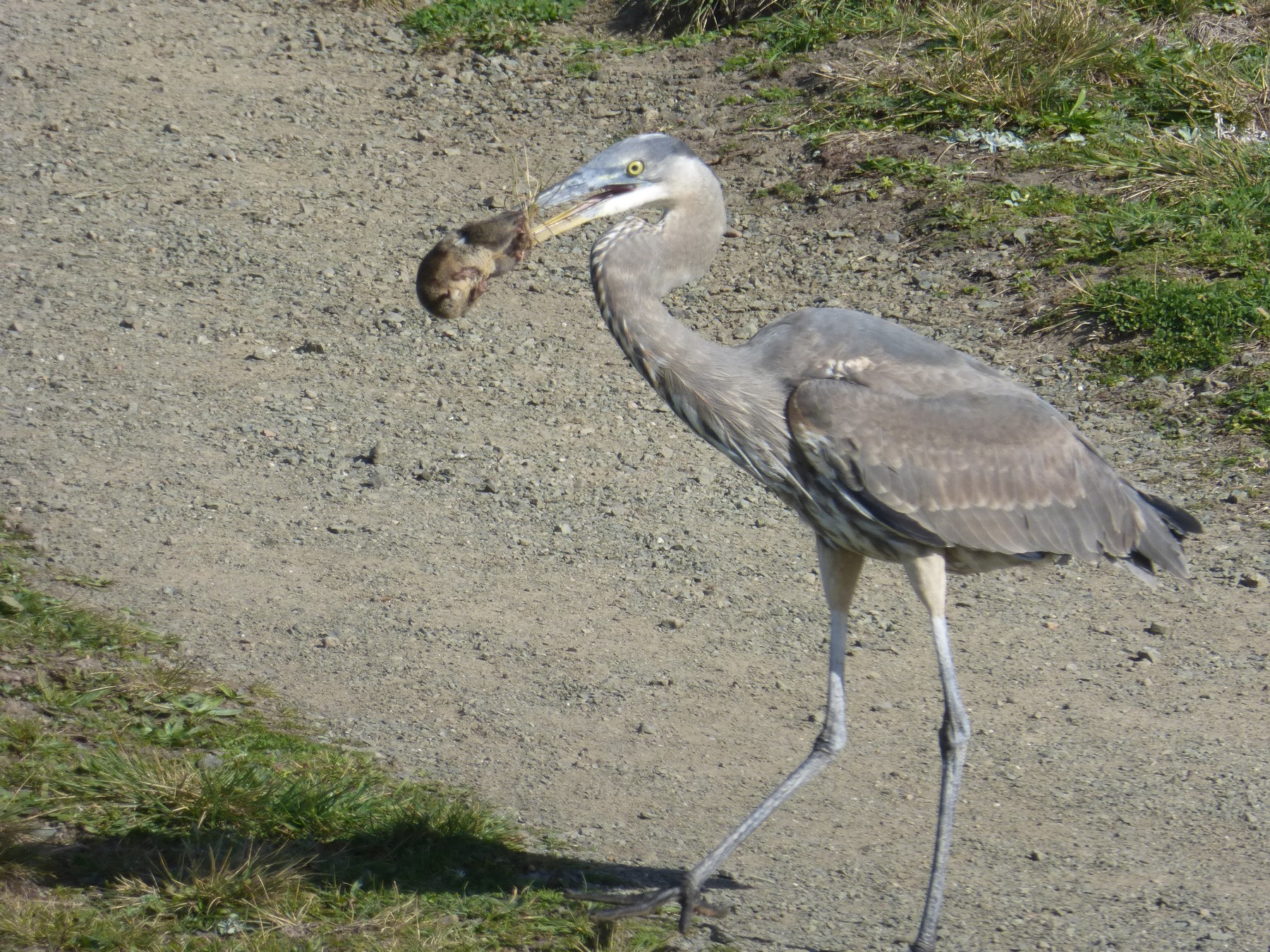
Great Blue Heron nabs a vole by Massomeh Roberts

Great Blue Herons are year round residents of the Mendonoma Coast. They are a treat to see. When they fly, their neck is an aerodynamic "S" shape. Marianne Rittenhouse photographed this.
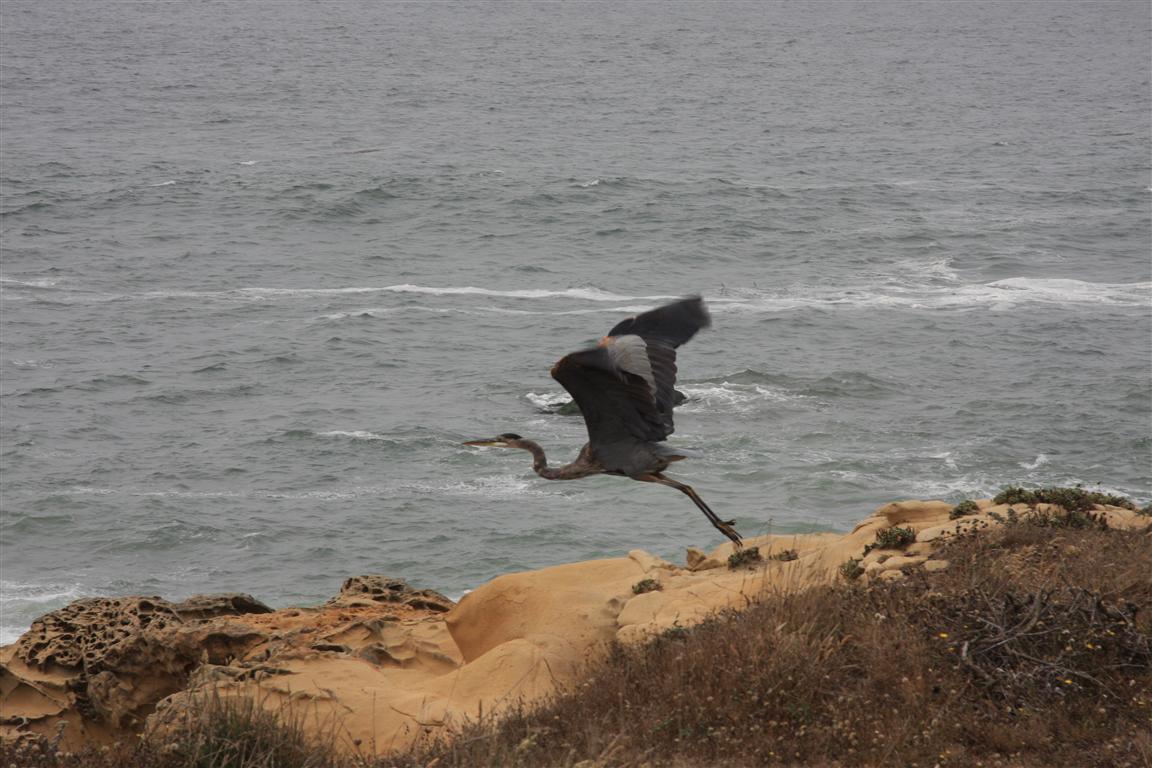
Great Blue Heron in flight by Marianne Rittenhouse (Medium)

This "S" shape also allows them to strike at prey very quickly.
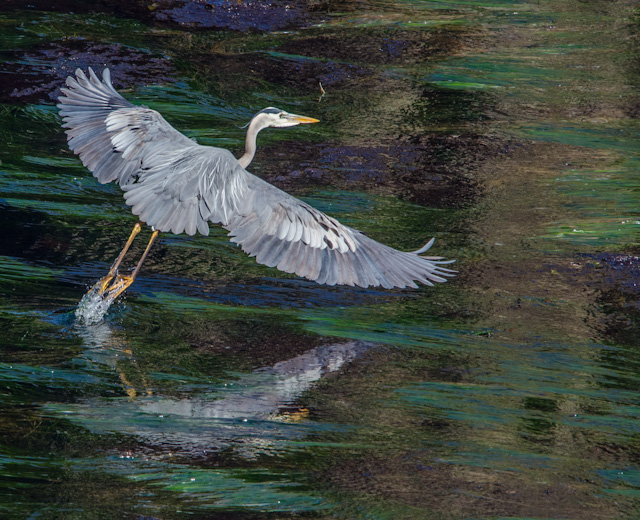
And we have liftoff - a Great Blue Heron by Paul Brewer

Here is one of my favorite Great Blue Heron photos, taken by Paul Brewer. It is titled "And we have liftoff!"

Thanks to Massomeh, Marianne, and Paul for allowing me to share their photos with you here. To see much more of Paul's nature photography, here is his website: http://www.capturingnatureswonders.com/
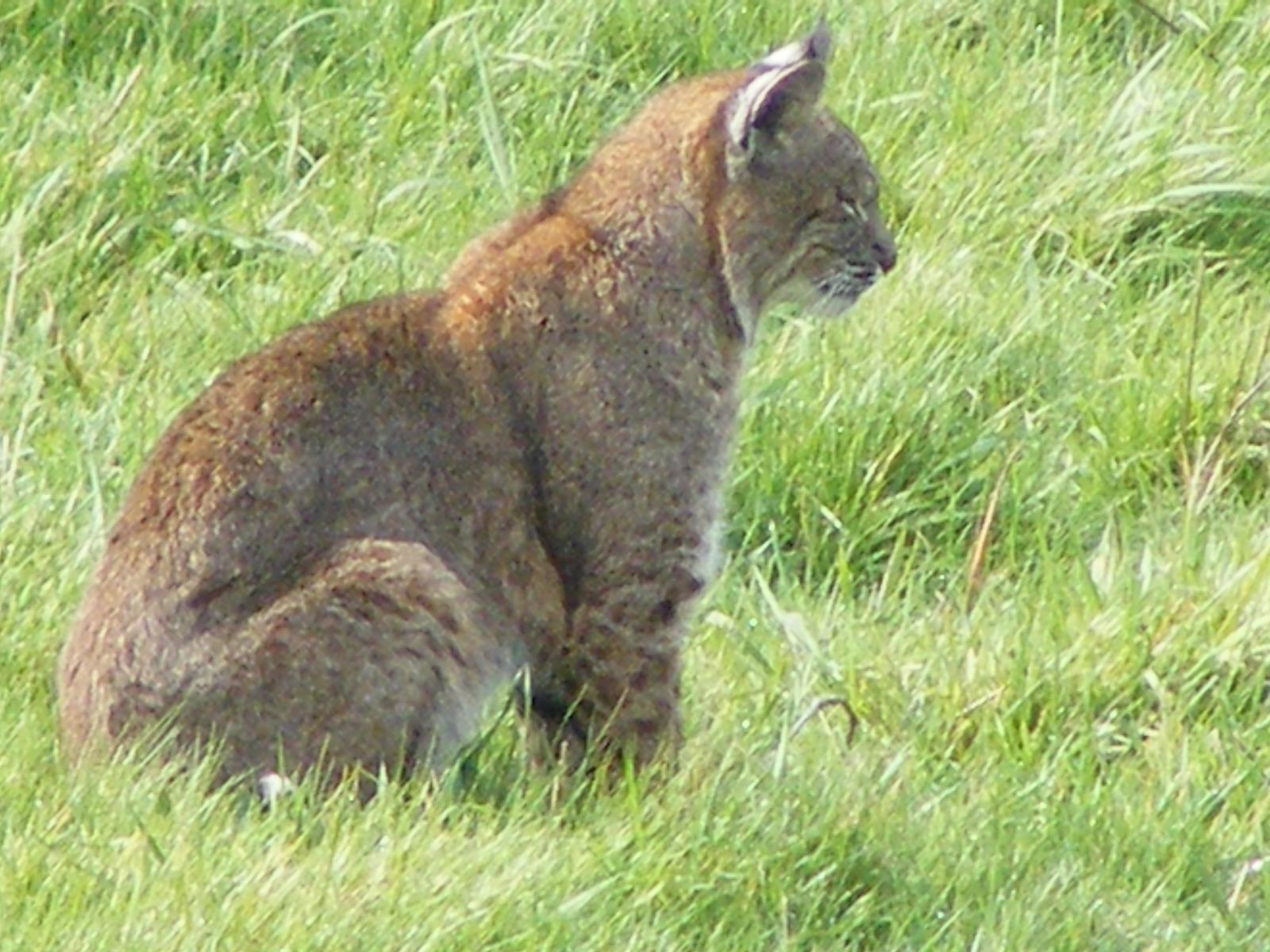
Ferne Fedeli noticed this beautiful Bobcat relaxing in the sun with its eyes closed.

Sleepy Bobcat by Ferne Fedeli

Whoever said Bobcats are nocturnal hasn't seen the Bobcats here on the Mendonoma Coast. They are often seen in the daylight hours.

Thanks to Ferne for allowing me to share her photo with you here.

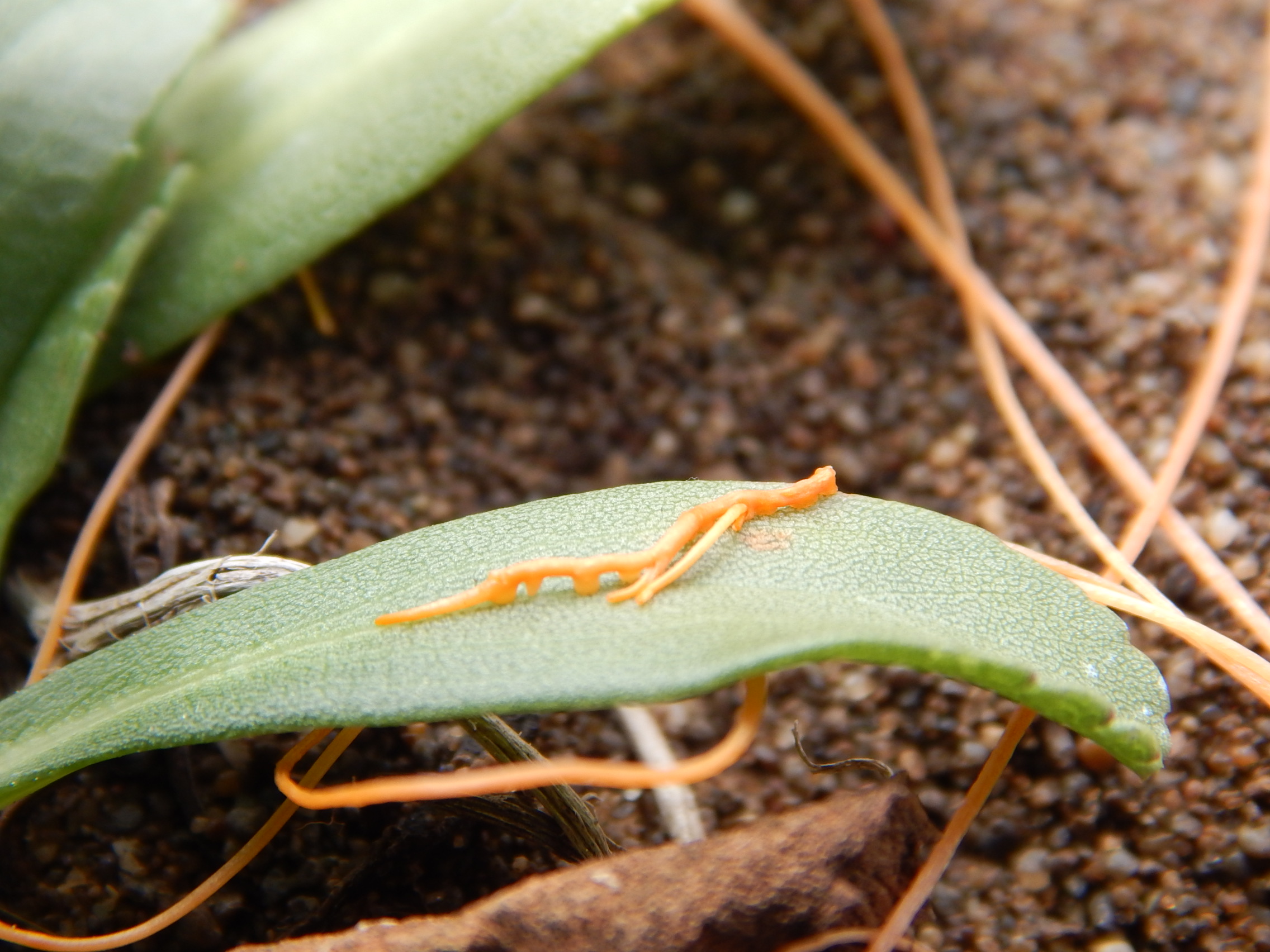
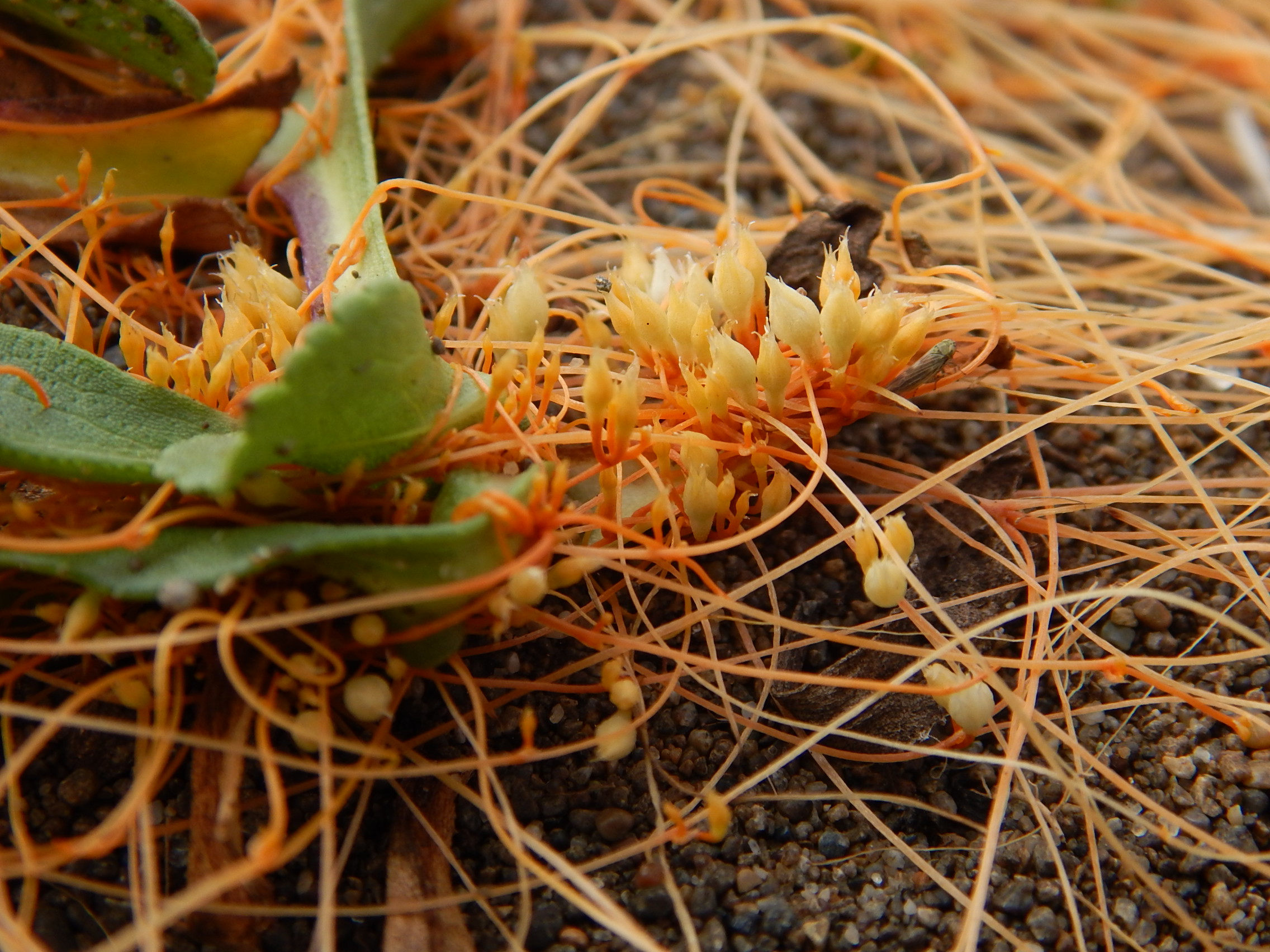
Peter Baye was at Manchester State Park when he saw this plant, Dodder, Cuscuta.

Dodder, a parasitic plant, growing on Gumplant by Peter Baye

Dodder is the orange and beige string-like plant. It is parasitic and it has attached itself to a Gumplant, the green leaves in the photo. In the next photo you can see the little pegs on its bright-orange leafless thread-like stems. Peter tells me it inserts these into its host's leaves to obtain water and nutrients.

A stem of Dodder inserting itself into Gumplant by Peter Baye

It's blooming very early this year. Dodder has vanilla-scented flowers and is in the morning glory family.

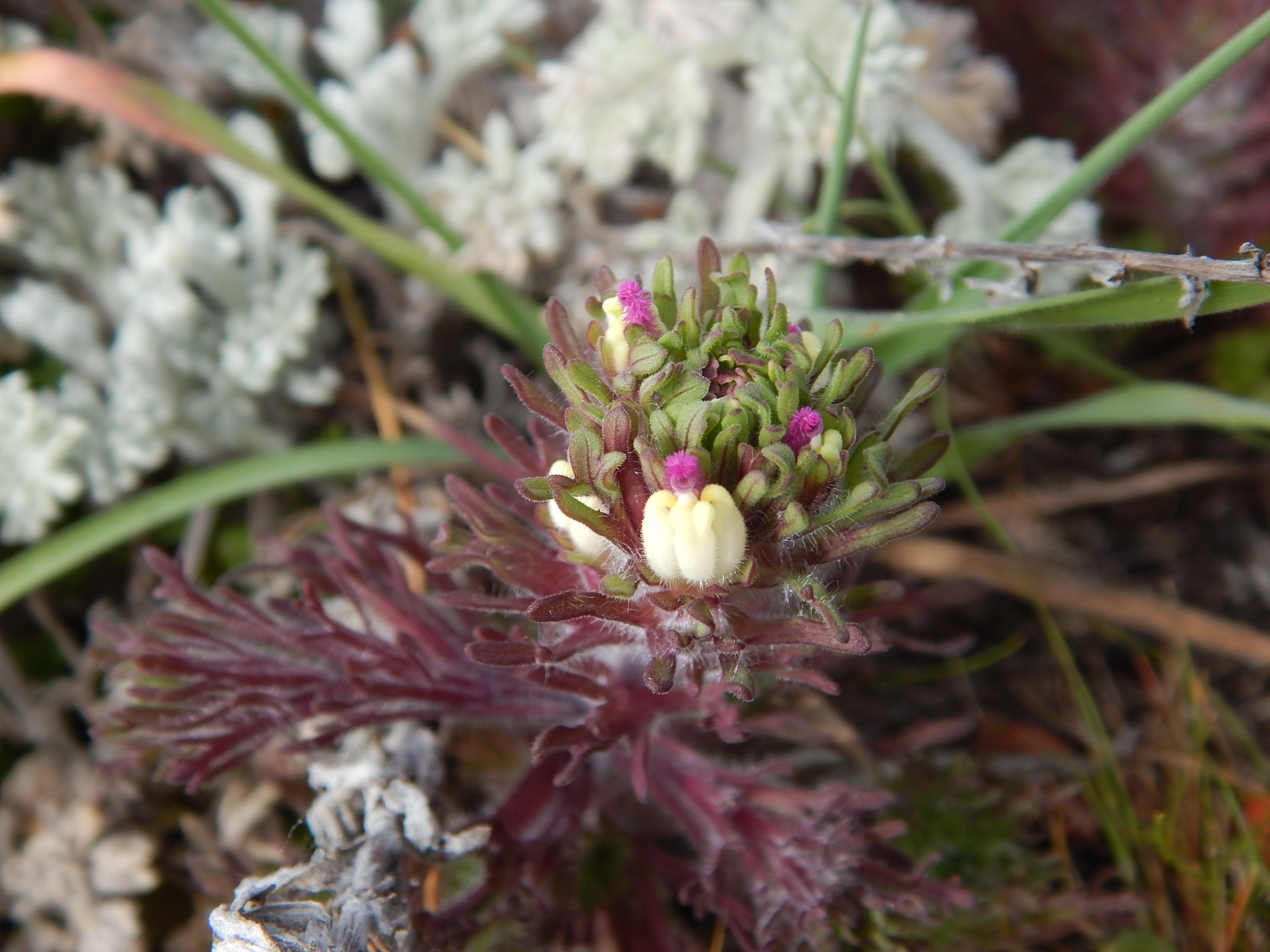
Peter also found a half-parasite plant, a rare dune variety of Purple Owl's clover, Castilleja exerta subsp. latifolia.

Rare dune variety of Purple Owl's-clover, Castilleja exserta latifolia, by Peter Baye

Peter says it taps into dune sage's roots. There was obviously enough rain in early winter for it to grow.

Thanks to Peter for allowing me to share his photos with you here.

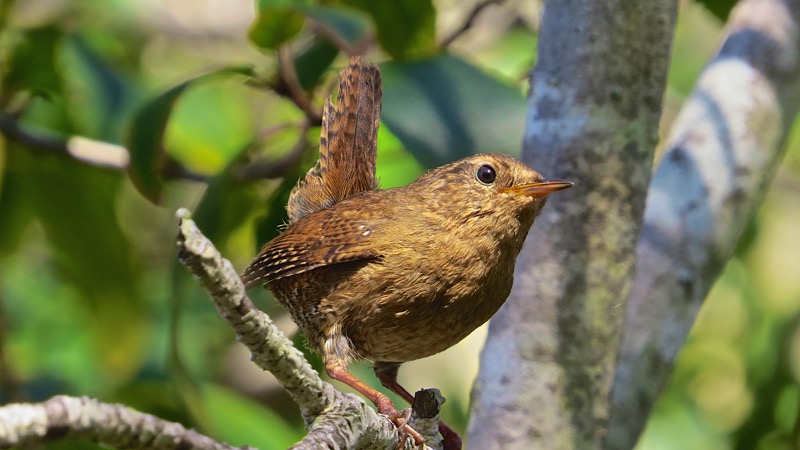
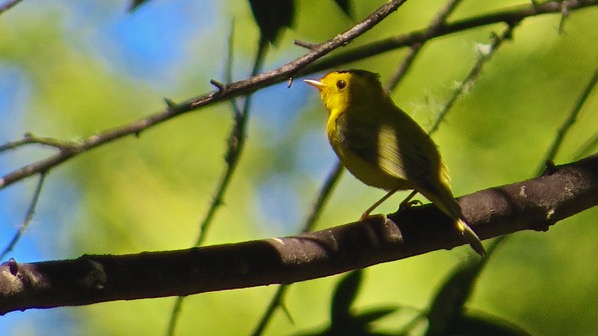
Male birds are singing to attract a mate and it is beautiful to hear. Richard Kuehn and Dean Schuler took a walk yesterday and found these birds -  a Pacific Wren [formally called Winter Wren] and a Wilson's Warbler.

Pacific Wren by Rich Kuehn Wilson's Warbler by Richard Kuehn

To hear the sound of a Pacific Wren, here is the link to the Cornell Lab of Ornithology: http://www.allaboutbirds.org/guide/Pacific_Wren/sounds. And to hear the Wilson's Warbler, here is the link: http://www.allaboutbirds.org/guide/Wilsons_Warbler/sounds

Thanks to Rich for allowing me to share his photos with you here.

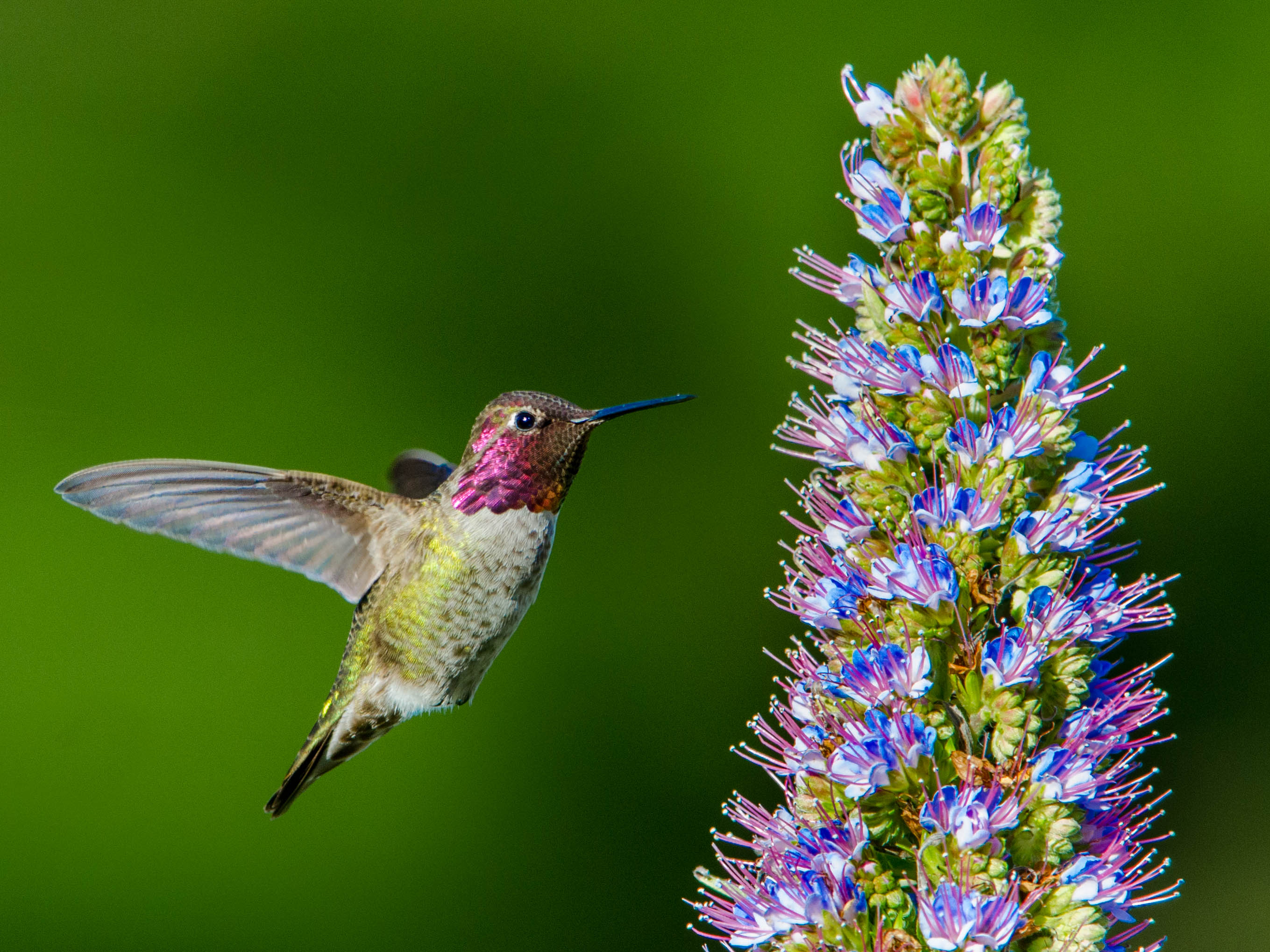
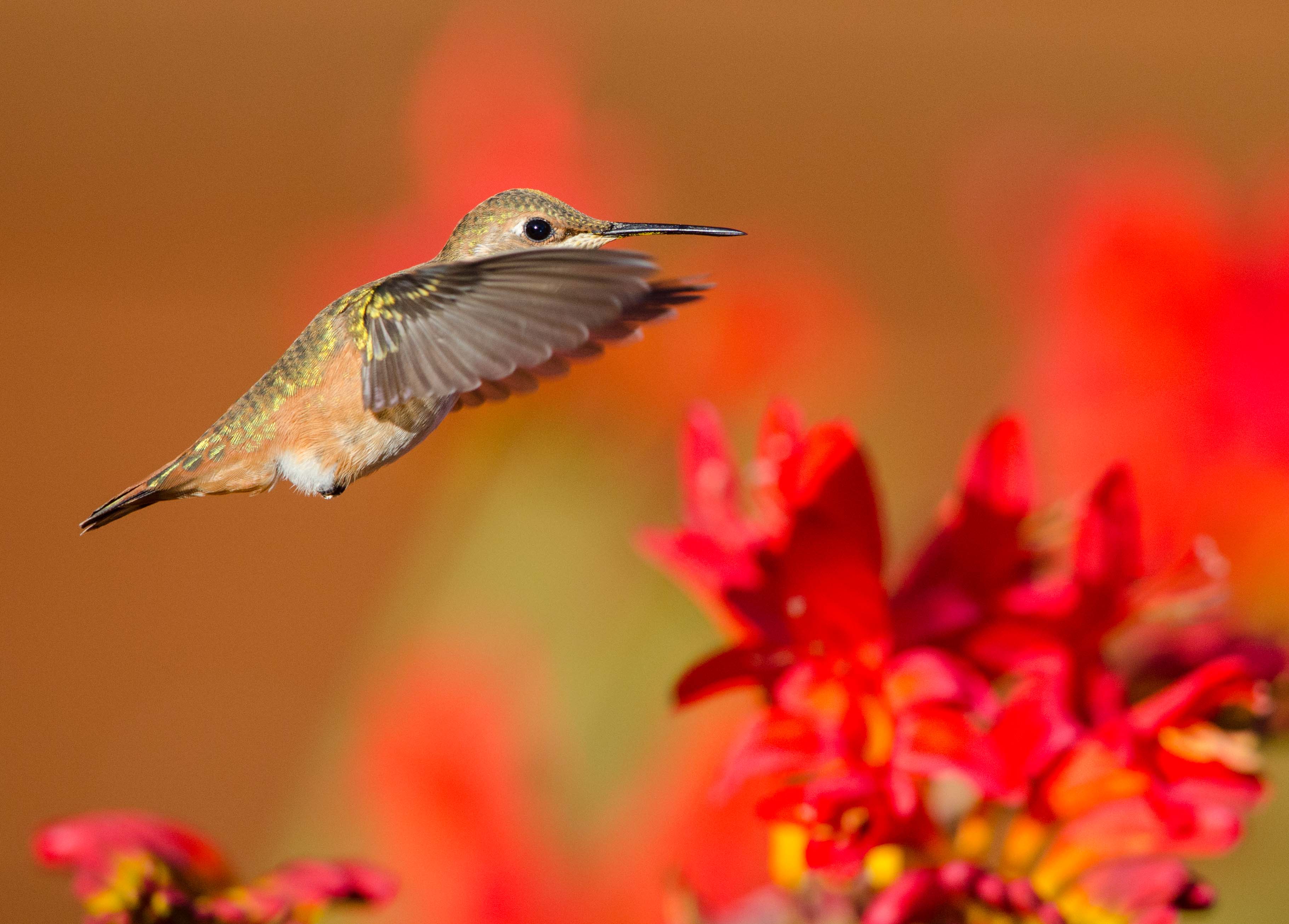
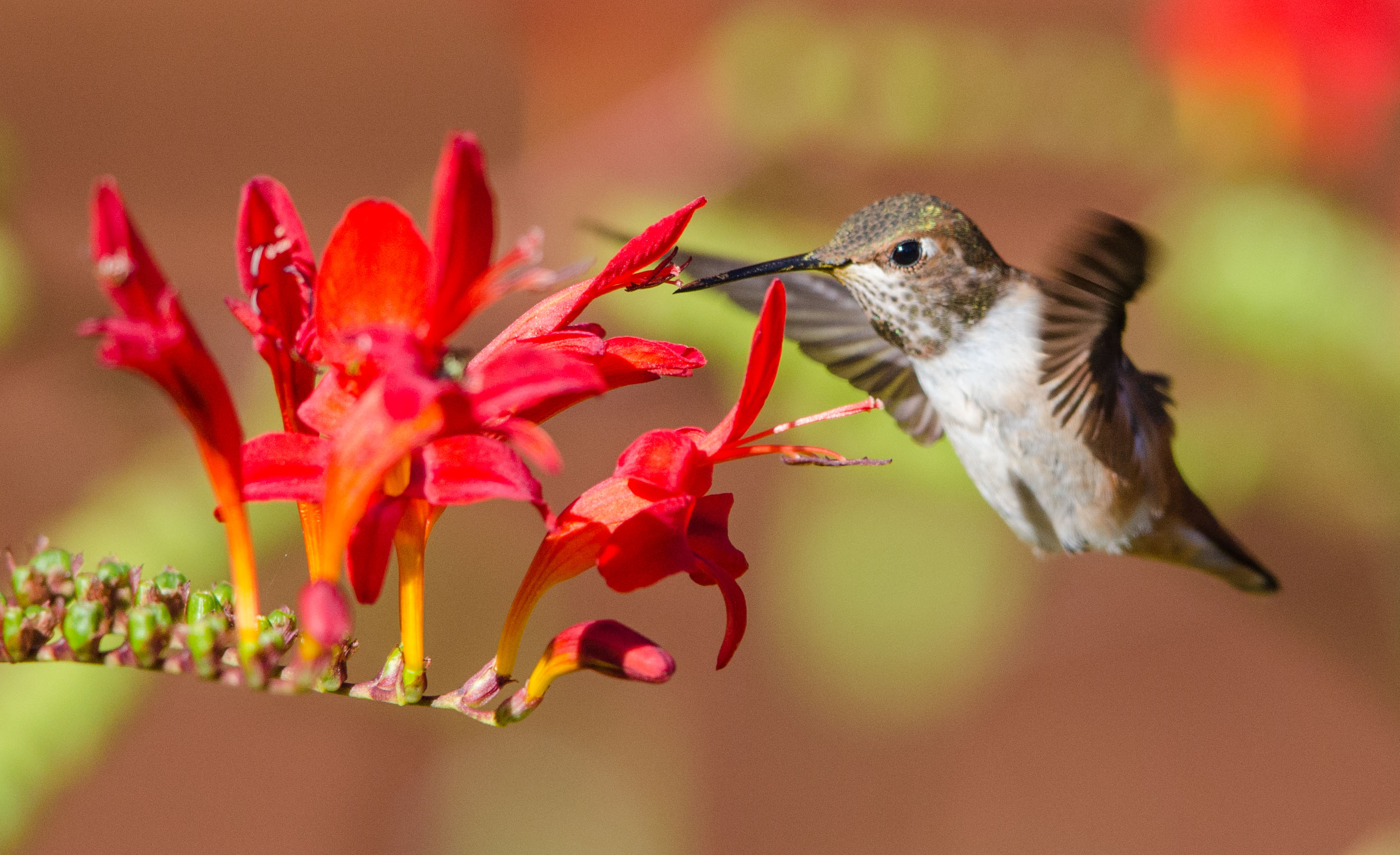
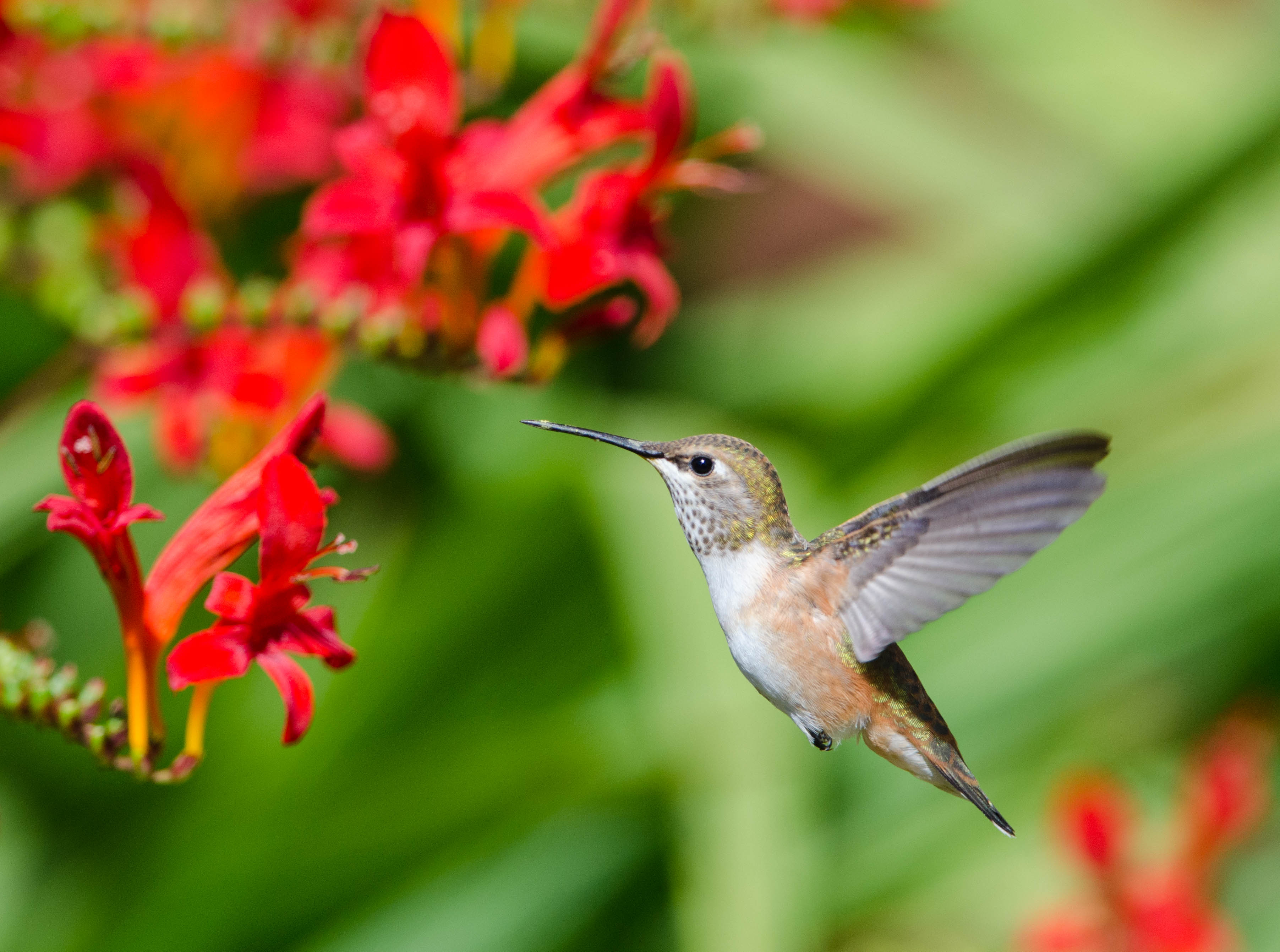
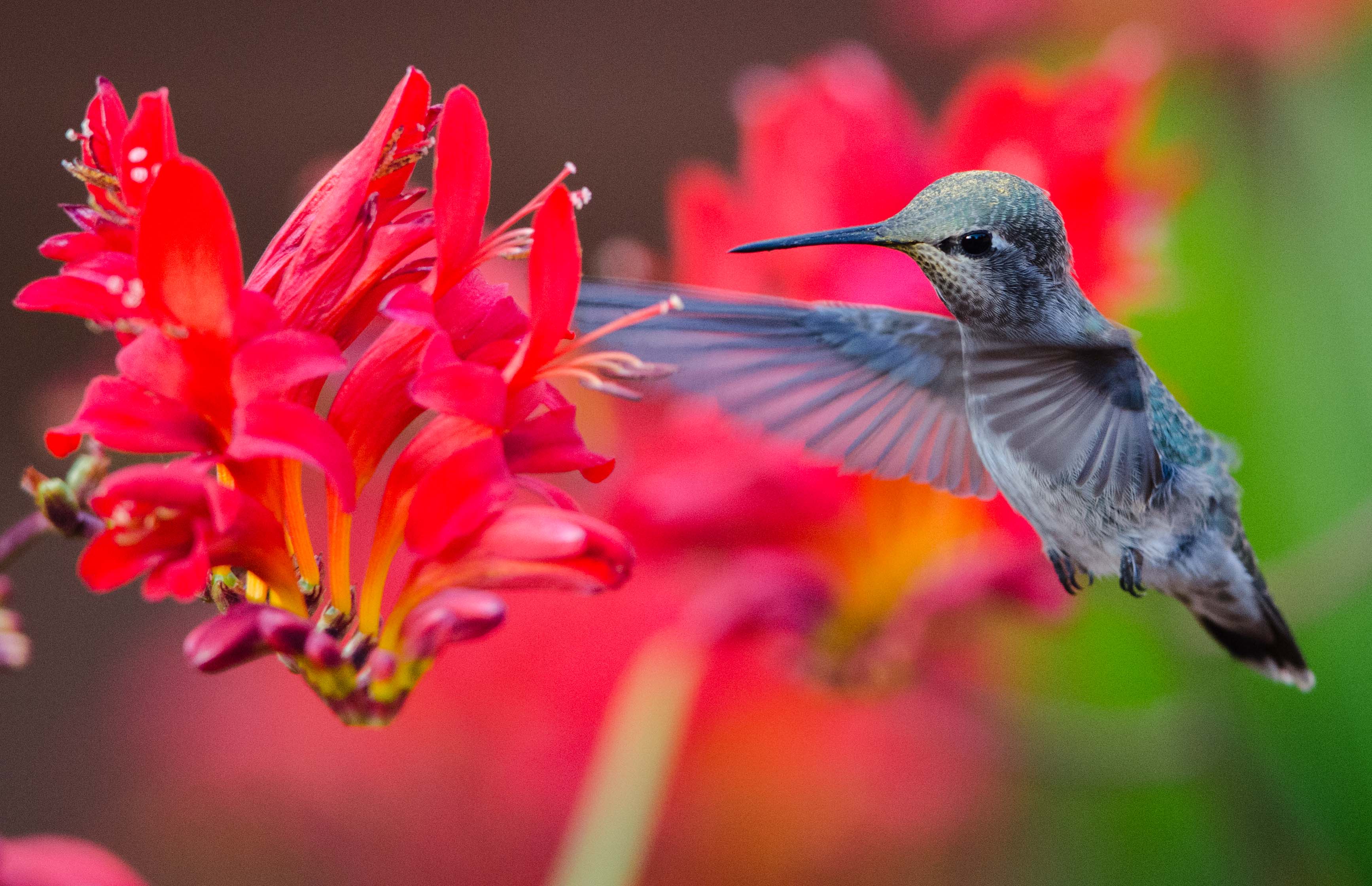
Paul Brewer caught these beautiful Anna's hummingbirds just as they were about to feed.

Anna's Hummingbird about to feed by Paul Brewer Anna's Hummingbird by Paul Brewer Anna's Hummingbird feeding 2 by Paul Brewer Anna's Hummingbird feeding by Paul Brewer Anna's Hummingbird feeds by Paul Brewer

I think of these tiny birds as living jewels. They feed on nectar - if you plant it, they will come!

Thanks to Paul for allowing me to share these photos with you here. To see much more of Paul's nature photography, here is his website: http://www.capturingnatureswonders.com/