Author Archives: Jeanne Jackson

4 Comments

About two weeks ago, Charlie Zinser and Lyle Bassett headed out of Point Arena harbor. North of Saunders Reef, and south of Point Arena, in about 70 feet of water, Charlie had a 30-pound Ling cod strike his jig. I asked him what it was like to hook one. Here's what he said:

"It was like hooking a big log! And then it began to pull hard. I knew I had to get him off the bottom before he got in the rocks, so I pulled hard on him. I managed to get him about halfway up, and he decided to go back to the bottom.

I went through a few tug-of-war cycles with him, and finally got him to the surface, and we then realized how big he really was. I gaffed him and pulled him into the board. That’s when he really got mad!

this-ling-cod-has-a-big-mouth-caught-by-charles-zinser


The big Ling thrashed around long enough to rearrange our fishing gear, and then we finally got him in the fish box. I knew that whatever went into that Ling’s big mouth never came back out, so we had to be careful of those teeth.”

It's rather unusual for such a big fish to be in that shallow of water. Ling cod, though, are abundant off the Mendonoma coast. Once in a while, some lucky fisherman will catch one off the Point Arena Pier.

Lyle Bassett took the photo of Charlie, and I thank him for allowing me to share it with you here.
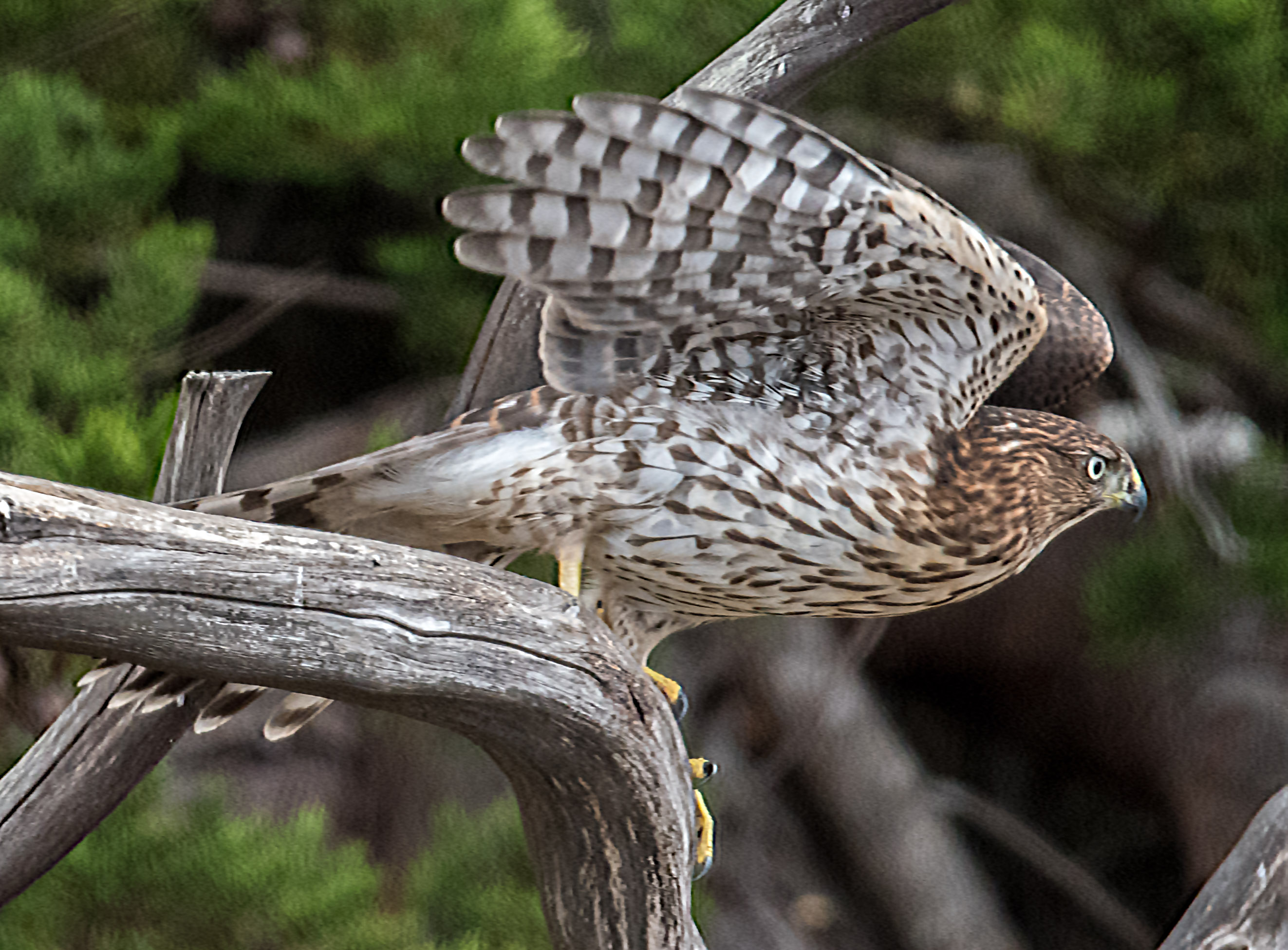
 

Jackie Brewer noticed the it first. She and Paul were  having lunch on their deck when she saw this young hawk. Paul grabbed his camera and got this photo of the moment the bird was launching itself - a juvenile Cooper's hawk. Perhaps it has spotted something to eat, perhaps a small bird, as that eye looks very determined.

immature-red-shouldered-hawk-by-paul-brewer

Thanks to Paul for allowing me to share his photo with you here. To see much more of Paul's nature photography, here is the link to his website: http://www.capturingnatureswonders.com/

To hear the call of this beautiful hawk, here's a link to the Cornell Lab of Ornithology: https://www.allaboutbirds.org/guide/Coopers_Hawk/sounds

I originally had this hawk identified as a Red-shouldered hawk. Mark Moore was nice enough to contact me so I could get this ID correct. Thank you, Mark!

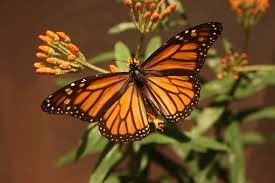
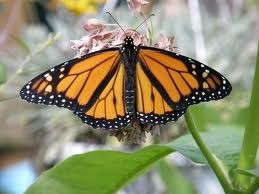
This is the time of year when the fall migration of Monarch butterflies occurs. I have seen one or two nearly every time the sun comes out and warms things up. I am always thrilled to see one. Barbara Rice sent in photos of a male and a female Monarch. The male, shown below, has two dark scent spots on its lower wings. Can you see them?

male-monarch-has-two-scent-spots-on-lower-wings-photo-courtesty-of-barbara-riceThe female does not have these two spots.

female-monarch-lacks-the-two-scent-spots-photo-courtesty-of-barbara-riceThis generation of Monarchs is called the Methuselah generation. They are the ones who migrate, and they live seven months.

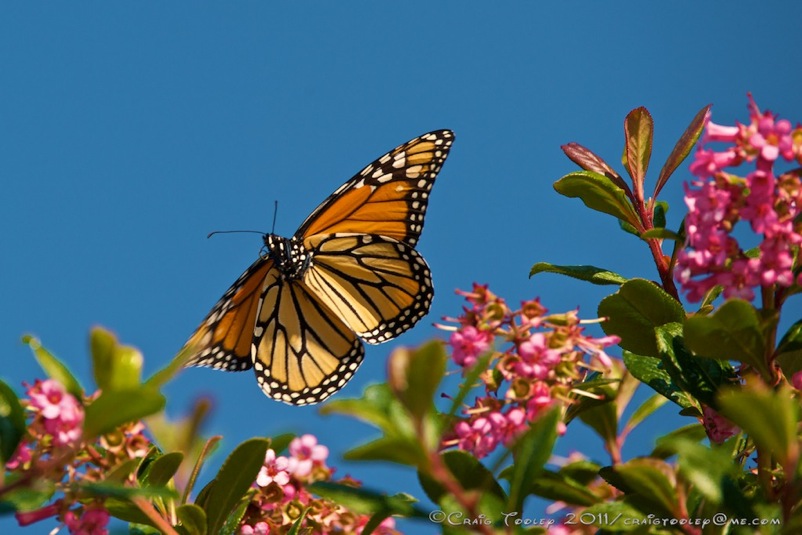
Here's a photo taken by Craig Tooley that appears in our book, Mendonoma Sightings Throughout the Year. Looks like it's a female!

monarch-butterfly-with-pink-flowers-oct-by-craig-tooleyThanks to Barbara for sending in the first two photos, and to Craig for allowing me to share his photo with you here. To see much more of Craig's nature photography, here is the link to his website: www.ruffimage.com

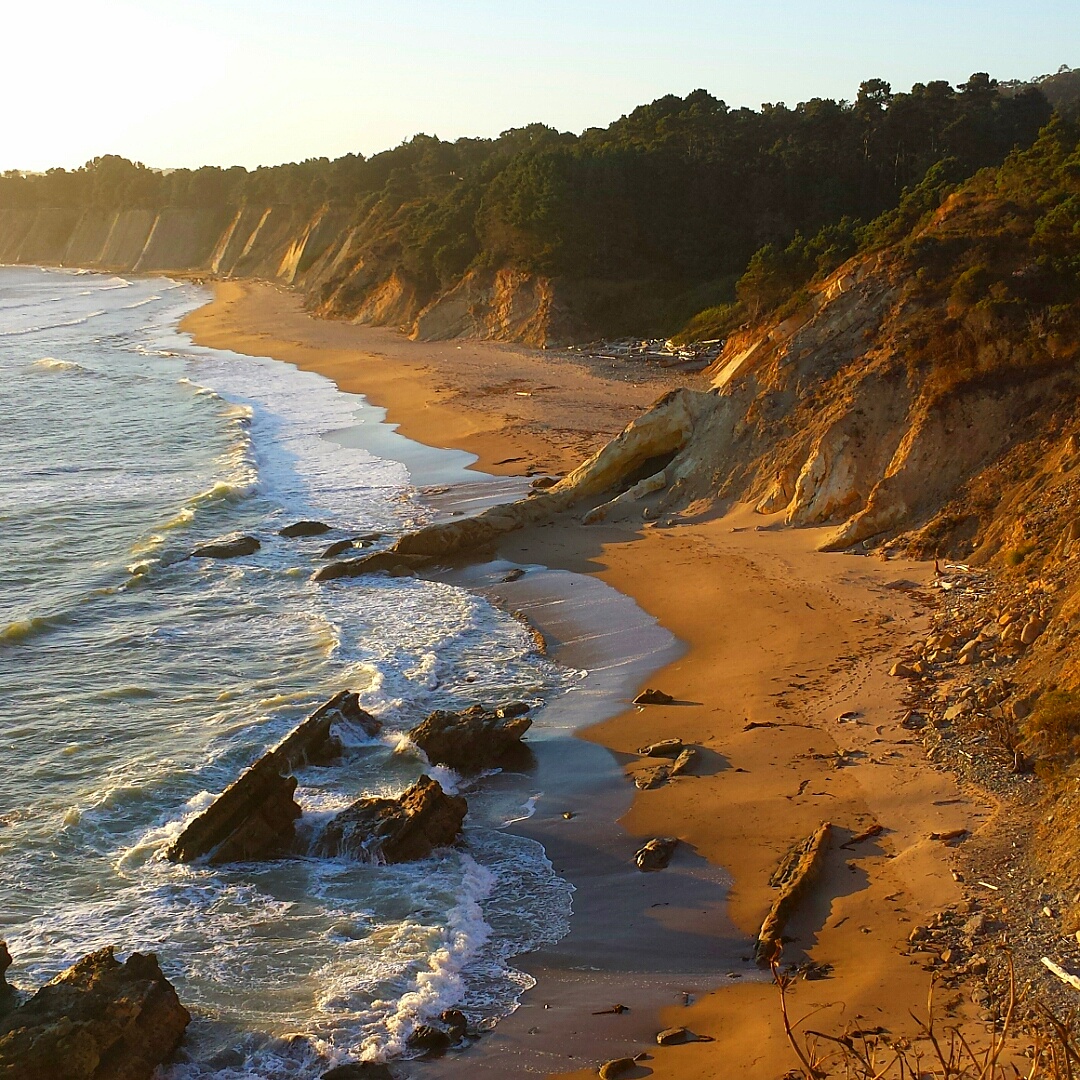
As you drive north on Highway One from the busy San Francisco Bay Area, the beautiful coastline is revealed to you as you wind your way up the curvy road. One particularly spectacular view is of Bowling Ball Beach in Mendocino County. Karen Wilder recently photographed this beach at high tide.

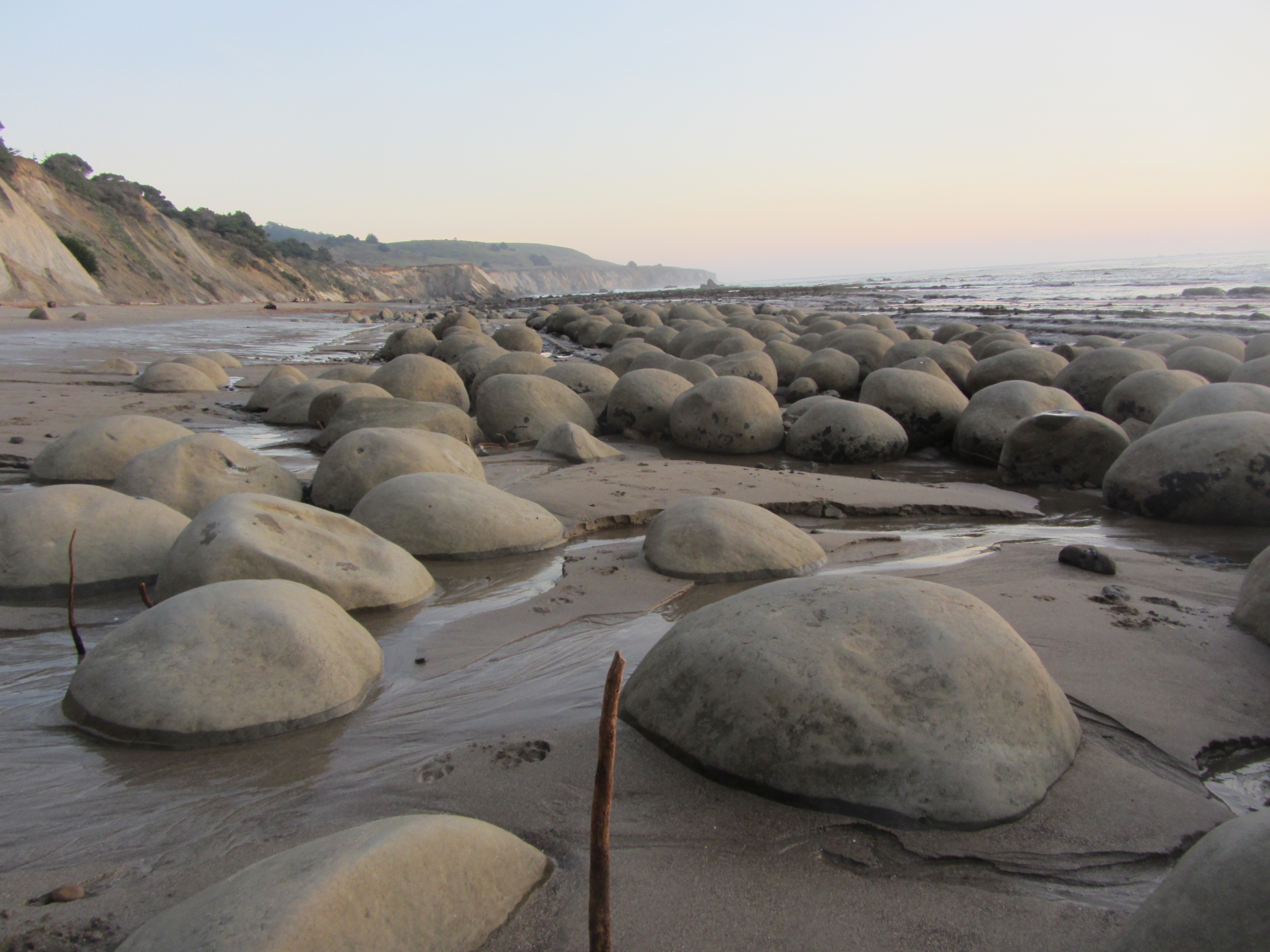
our-beautiful-coastline-by-karen-wilderAt low tide, the rock formations for which this beach is named appear - bowling balls! This photo was taken by Terry Pfardresher.

bowling-ball-beach-2015-january-040-by-terry-boldBowling Ball Beach is part of Schooner Gulch State Beach. The pathway down to the beach has been repaired, after years of it being closed. We are thankful State Parks fixed it. To learn much more about this park, here is the link: https://www.parks.ca.gov/?page_id=446

Thanks to Karen and Terry for allowing me to share their photos with you here.

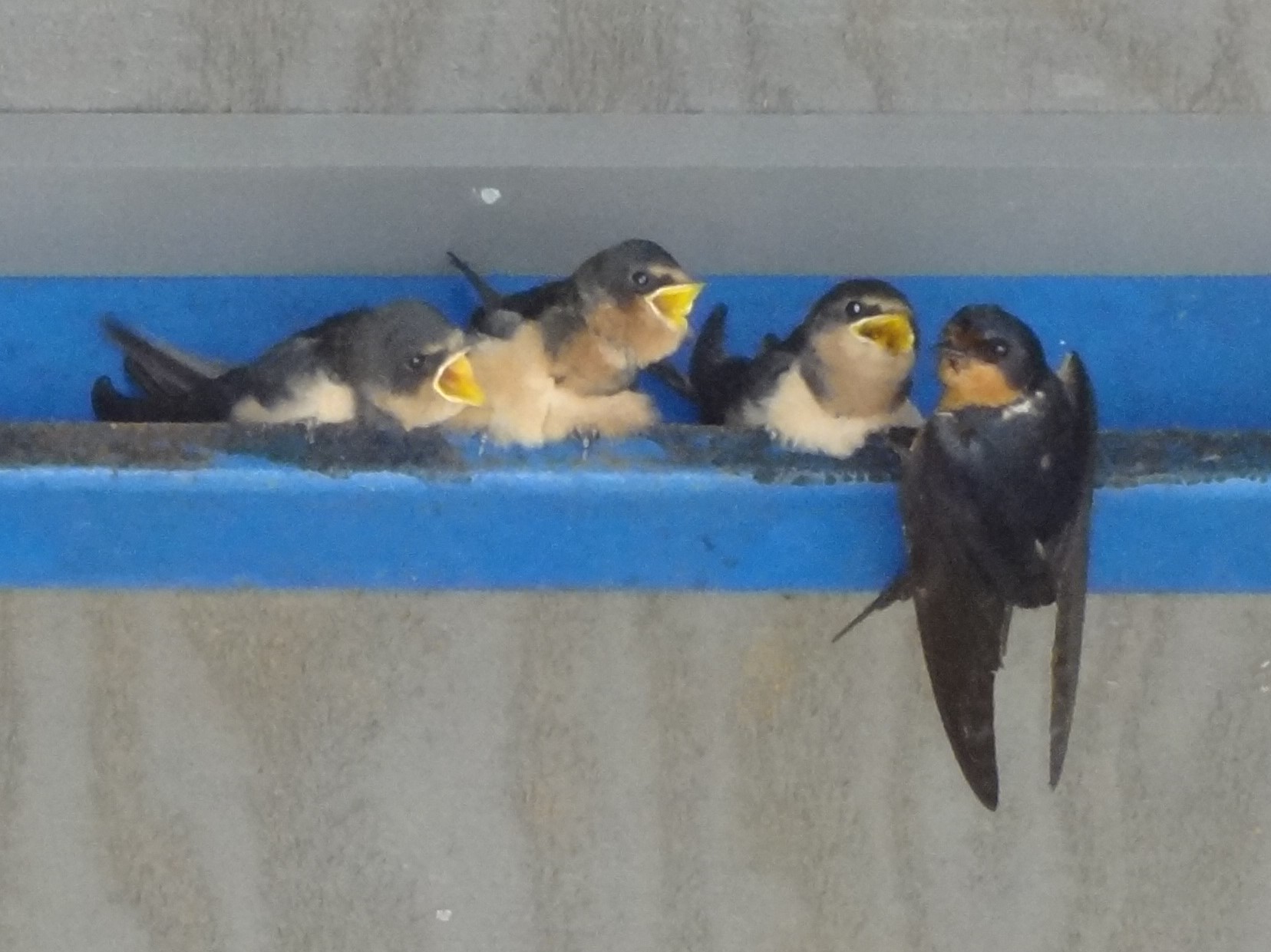
Anchor Bay Village is often host to swallow nests. This year Karen Scott, owner of Banana Belt Realty, watched as a pair patiently built a nest, mud pellet by mud pellet. Three chicks were hatched. Karen dubbed this photo "Feed me Trio,"as a parent arrived with a tasty bug.

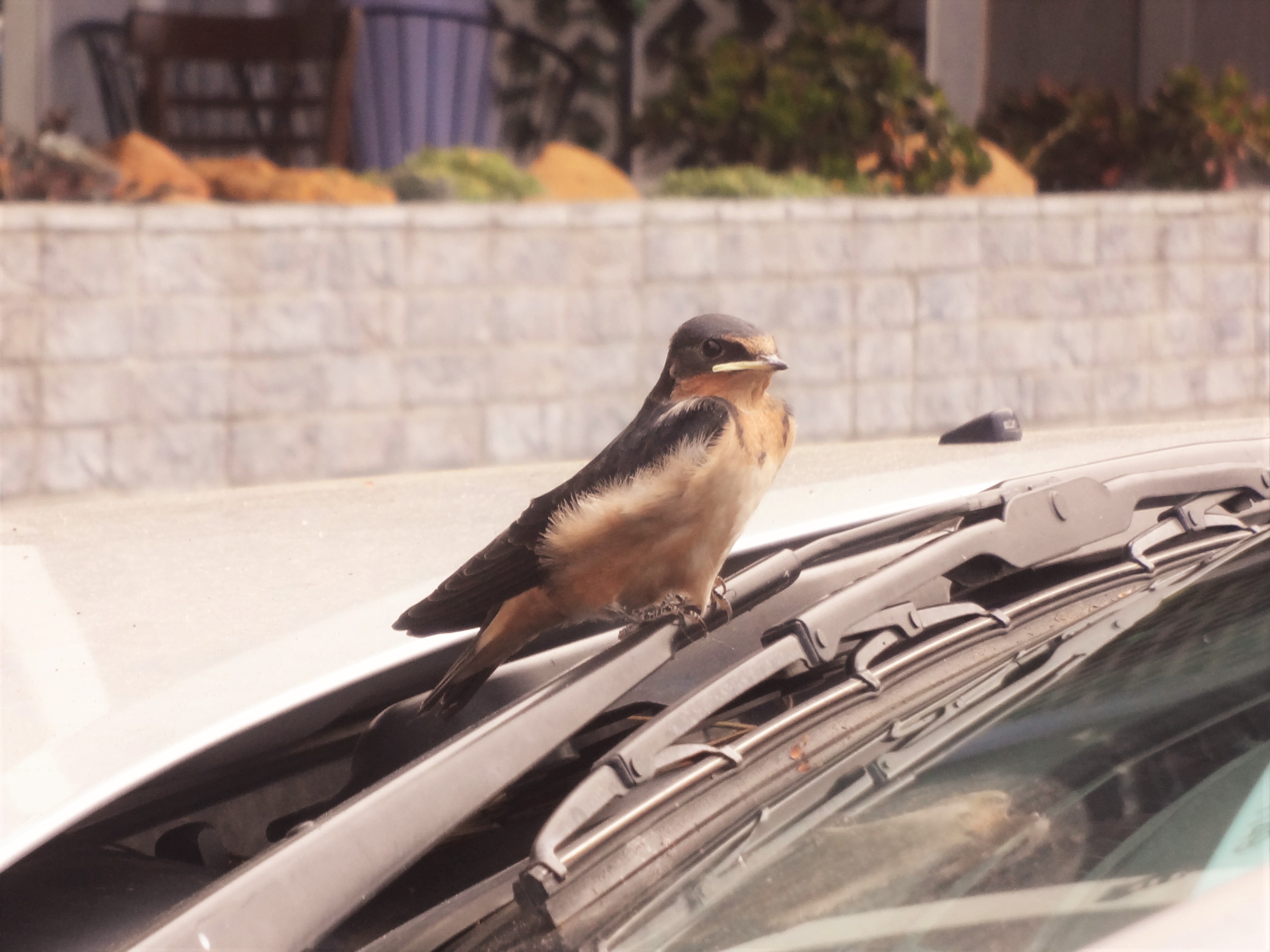
feed-me-trio-barn-swallows-by-karen-scottTwo days after Karen took this photo, the chicks fledged. One flew to the windshield wipers of a car. Successful flight! The young swallow looks rather proud of itself.

first-flight-a-barn-swallow-fledges-by-karen-scottThese swallows will be leaving soon, if they haven't already. They fly many miles to our south to overwinter.

Thanks to Karen for allowing me to share her photos with you here.