Author Archives: Jeanne Jackson

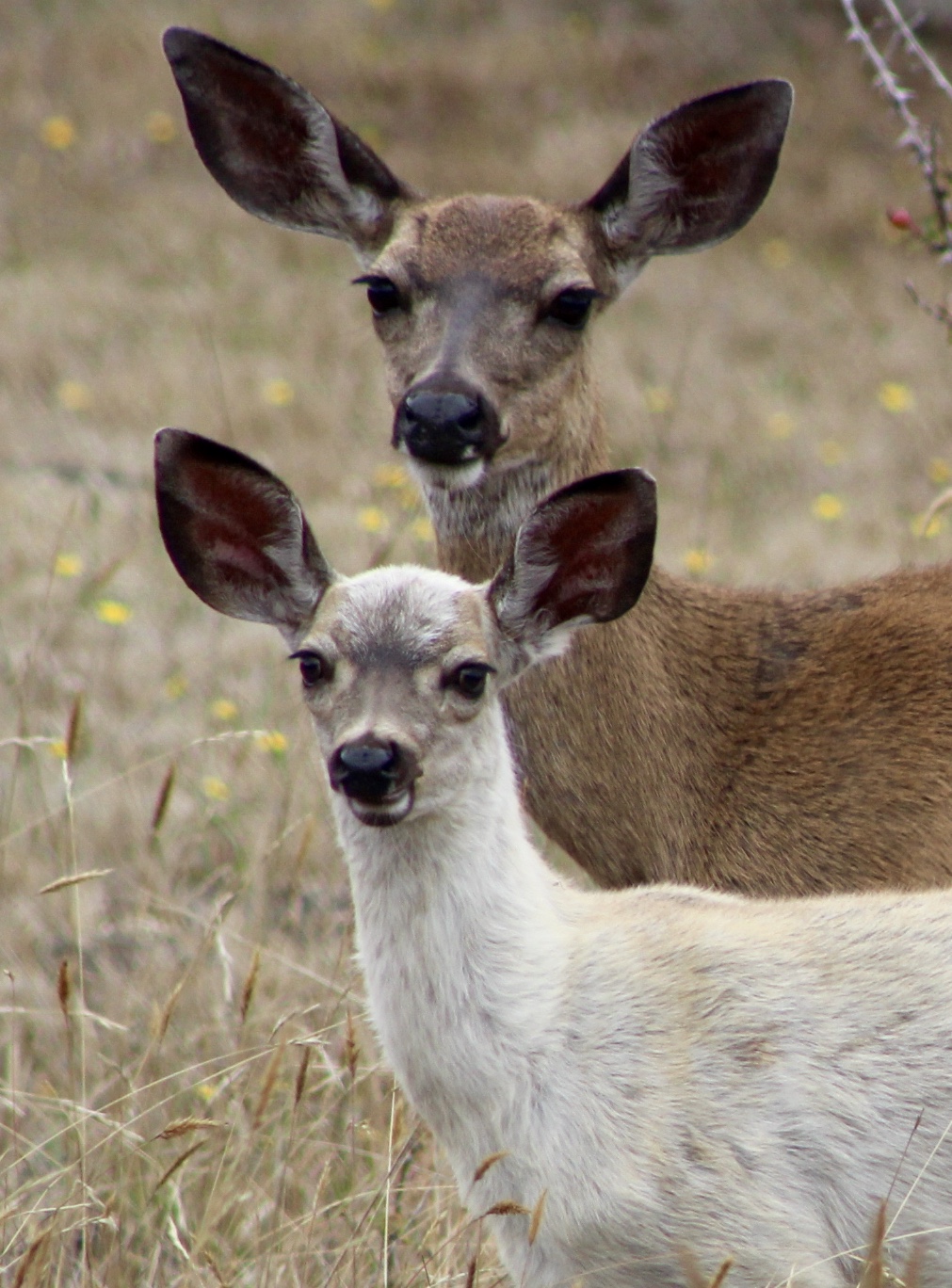
A white fawn was born this year on The Sea Ranch. It's not an albino, or leucistic. It is considered a tow-head who will eventually color up. Steve Coffee-Smith recently photographed the fawn with its mother.

Version 2The fawn has really grown! And you can she he/she is acquiring a little color, especially on the face.

Thanks to Steve for allowing me to share his photo with you here.

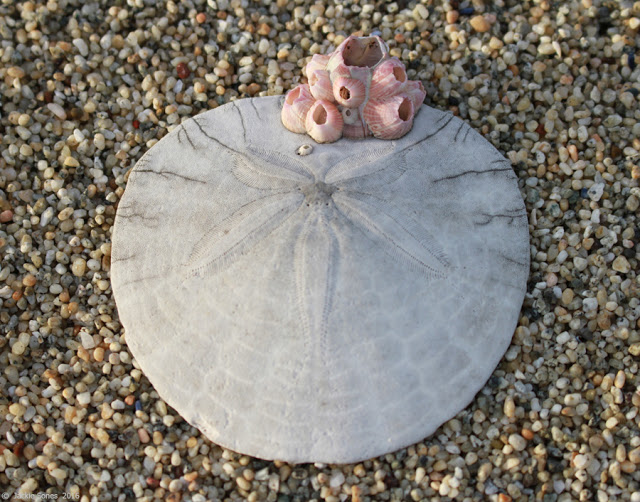
Jackie Sones spotted this sand dollar washed up on the beach, with unusual Barnacles on it.

sand-dollar-with-rare-barnacles-paraconcavus-pacificus-by-jackie-sonesJackie has been finding a few sand dollars on beaches in Bodega Bay with red and white barnacles on them. With the help of barnacle experts Bill Newman and Bob Van Syoc, the barnacles were identified as Paraconcavus pacificus, a rare sighting of barnacles usually seen south of Monterey. Jackie thinks Manchester Beach has potential as a possible place to see them.

Jackie has a wonderful blog post showing how these barnacles were identified and you can read it at this link: http://bodegahead.blogspot.com/2016/09/unexpected-plate-appearance.html?utm_source=feedburner&utm_medium=email&utm_campaign=Feed%3A+TheNaturalHistoryOfBodegaHead+%28The+Natural+History+of+Bodega+Head%29

Thanks to Jackie for allowing me to share her photo with you here. Doug Forsell found a sand dollar with barnacles this past week at Manchester Beach and we are waiting for Bob Van Syoc to take a look at it. I will report back!

Absolutely stunning day here on the Mendonoma coast. It feels like a gift.

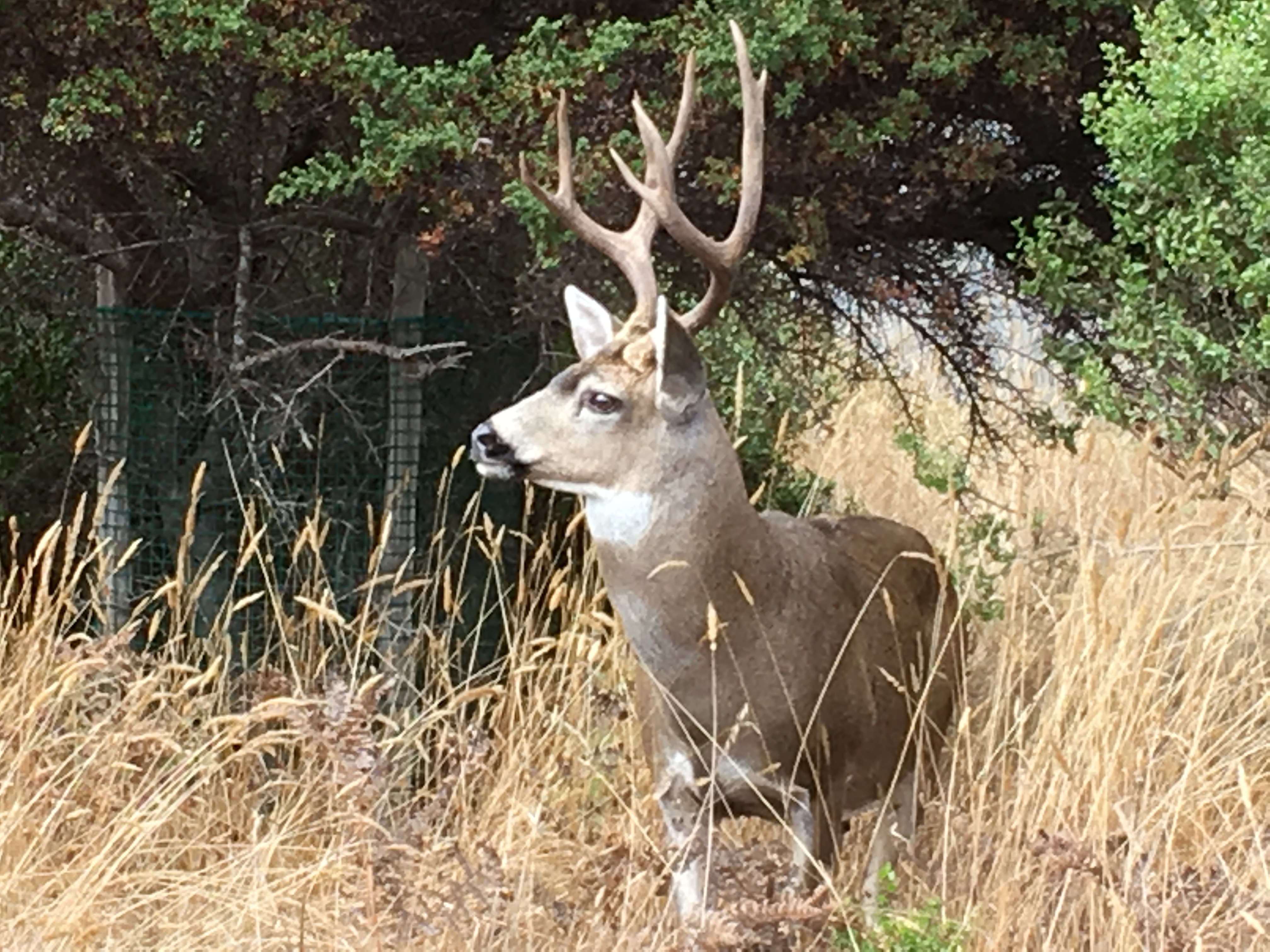
This is the time of year that you need to be especially vigilant when driving as bucks are chasing does. Steve Coffee-Smith photographed a four-point buck this week. The buck was looking at an equestrian and her horse.

four-point-buck-watching-an-equestrian-and-her-horse-by-steve-coffey-smithPerhaps the buck was thinking the horse might be a doe? Or perhaps he had never seen a horse before.

So give these big bucks a wide berth. They only have one thing on their minds!

Thanks to Steve for allowing me to share his photo with you here.

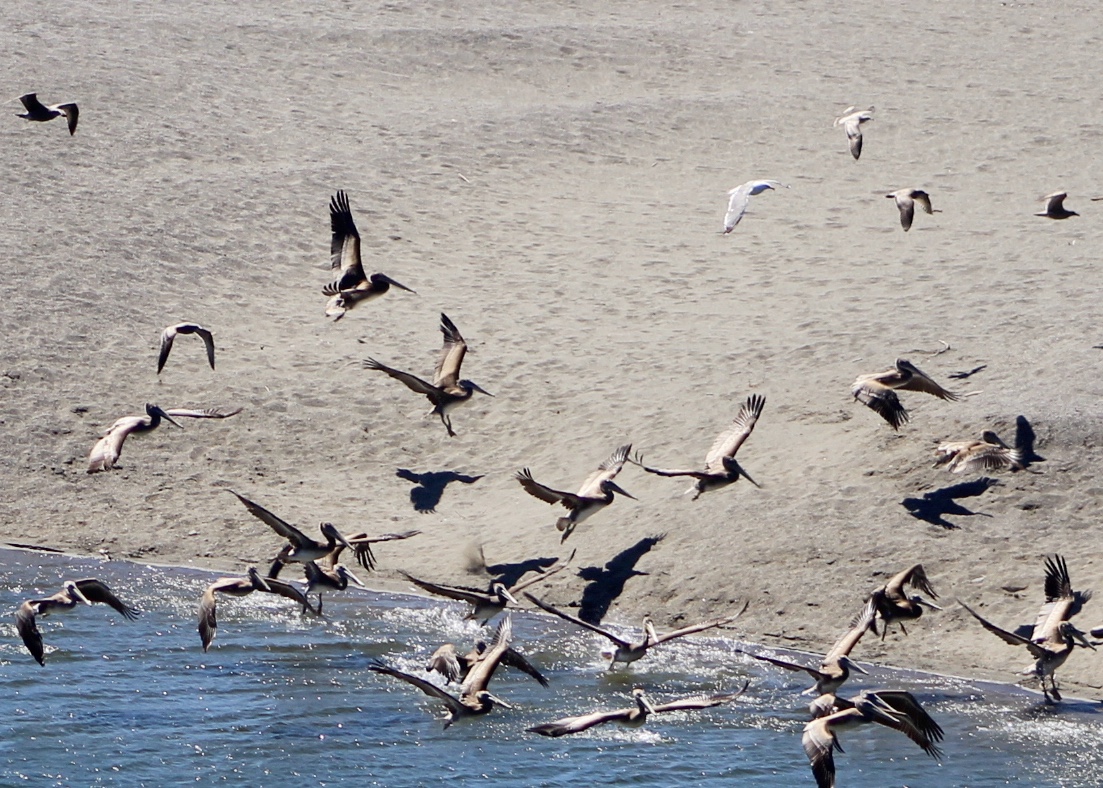
Steve Coffey-Smith was watching the fun from the Gualala Bluff Trail recently. Brown pelicans were coming in for a landing. So graceful in the air, they can be downright clumsy as they land, webbed feet stretched out. You will be hard pressed not to laugh.
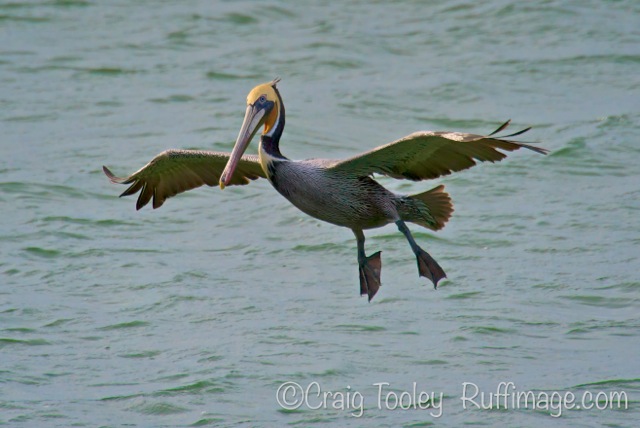
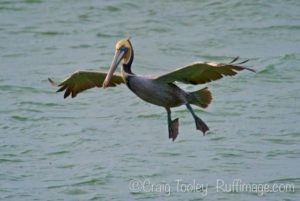
Version 2Here's one of my favorite pelican photos. Craig Tooley photographed a Brown pelican about to land. Was it a smooth landing or did this pelican do a pratfall? Only Craig knows. This photo appears in our book, Mendonoma Sightings Throughout the Year, in the November chapter.brown-pelican-pelecanus-occidentalis-coming-in-for-a-landing-nov-by-craig-tooleyah, we love the wonderful Brown pelicans. They were on the Endangered Species List because of the pesticide DDT. It made their eggshells so thin that the shells broke when the mother sat on them. With the banning of DDT in the 1960's, these birds have recovered, so much so that they are no longer listed on the ESL.
Thanks to Steve and Craig for allowing me to share their photos with you here. To see much more of Craig's nature photography, here is his website: www.ruffimage.com
 

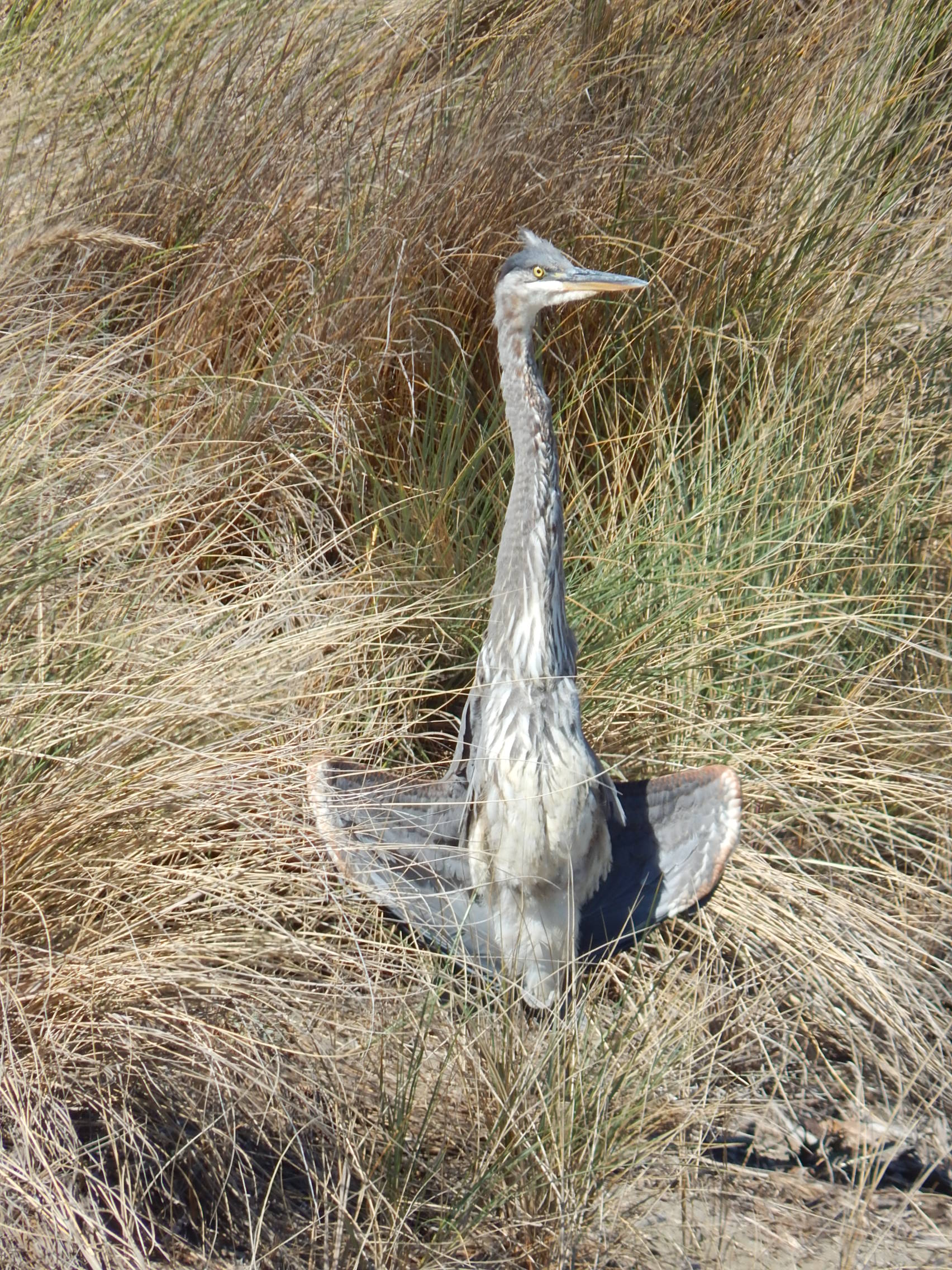
Peter Baye noticed this Great Blue Heron in an unusual position. It was sitting in a grassy meadow with its wings extended. We think the heron was doing this to cool off.

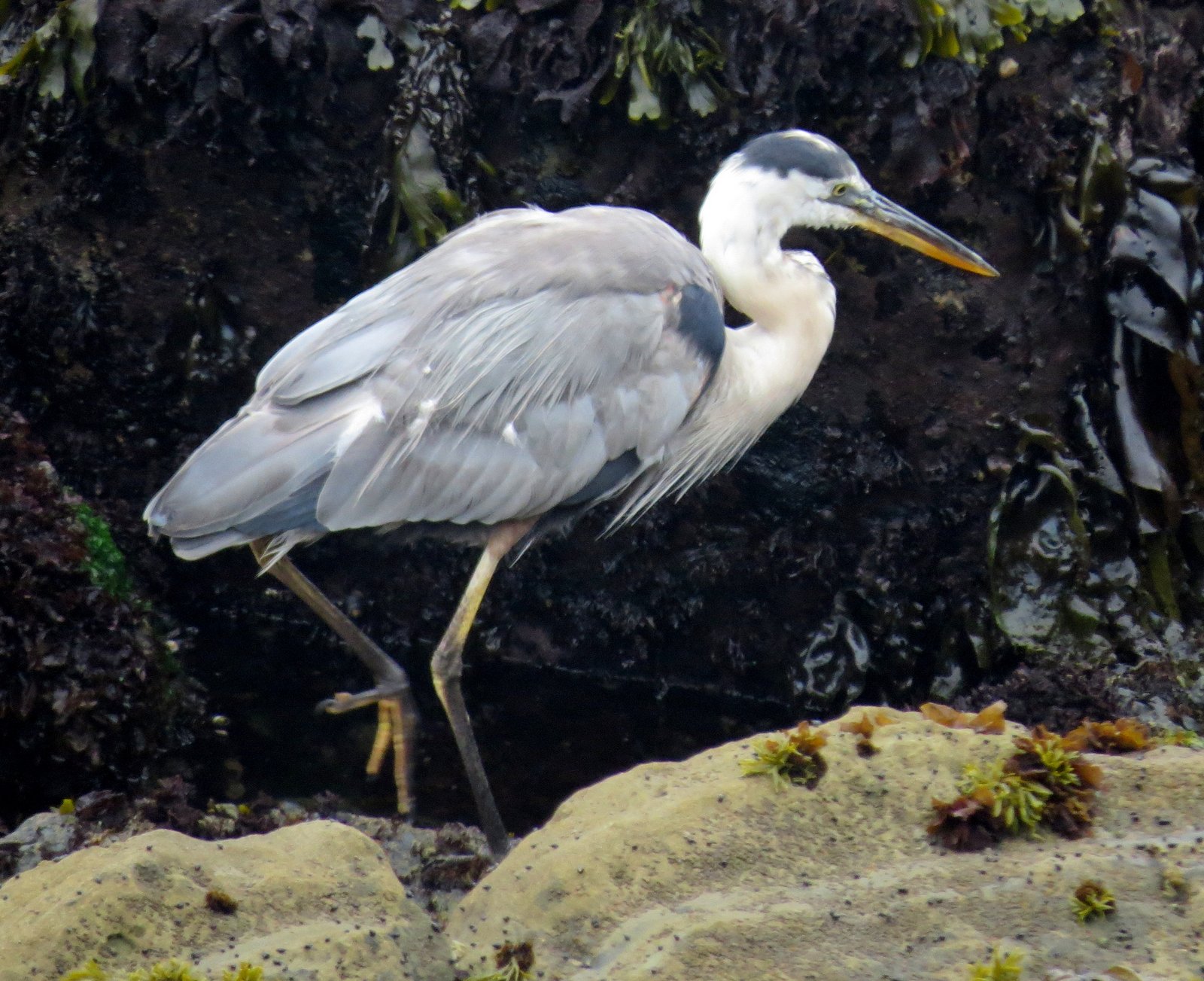
great-blue-heron-with-wings-spread-by-peter-bayeAnd here's a photo taken by Robert Scarola of a Great Blue Heron looking for a meal.

great-blue-heron-searching-for-a-meal-by-robert-scarolaGreat Blue Herons are year round residents of the Mendonoma Coast.

Thanks to Peter and Robert for allowing me to share their photos with you here.