Author Archives: Jeanne Jackson

The light can be magical here on the coast. Anne Mary Schaefer captured this beautiful moment in time at Manchester State Park with wildflowers and grasses kissed by the sun.
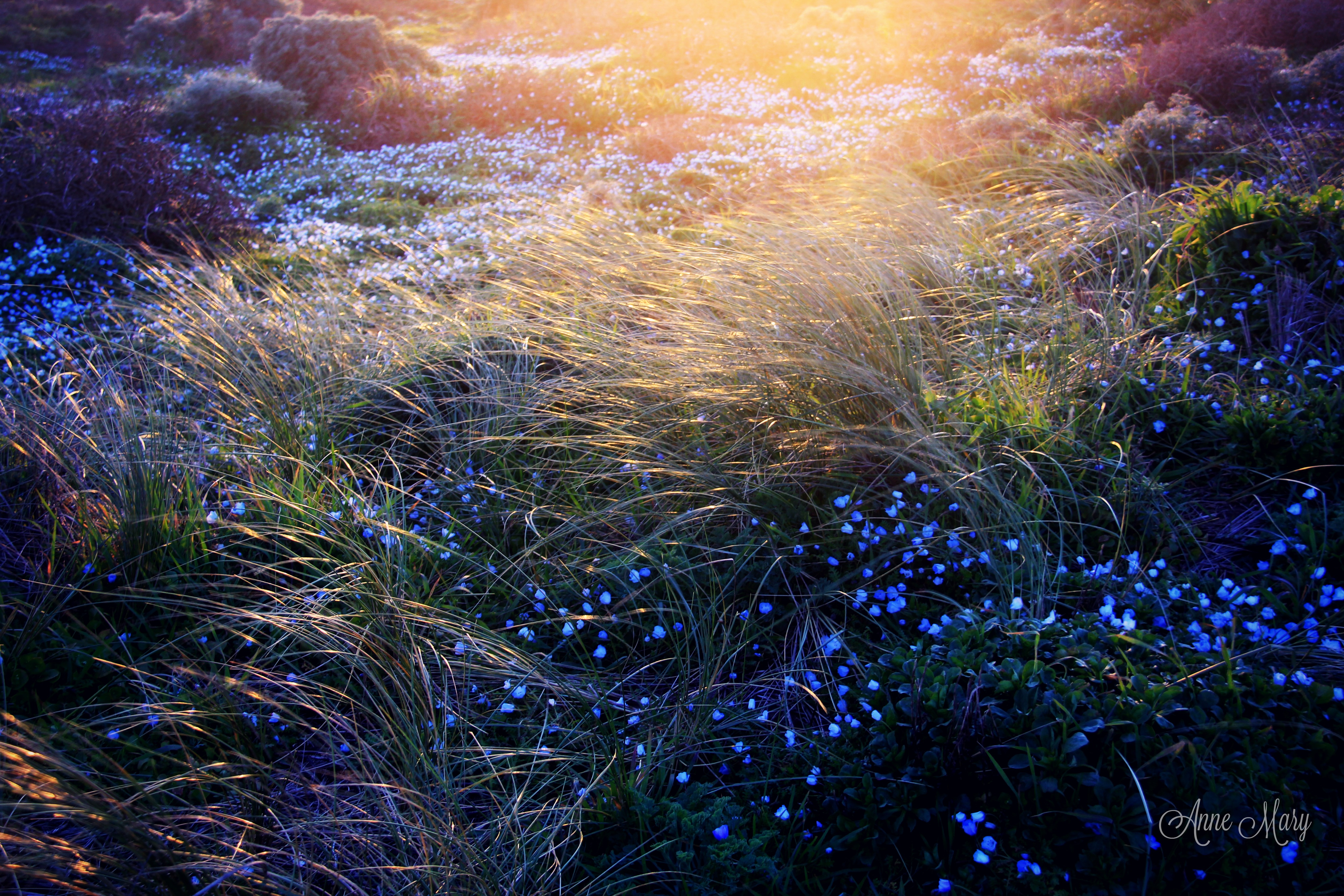
Anne Mary's photo looks like a painting, don't you think?

Thanks to Anne Mary for allowing me to share her photo with you here. To see her pet photography, here is her website: http://www.pawpawrazzipetphotography.com/

We had some subtropical clouds move up from the south last week, even bringing a few drops of rain. Clouds bring the opportunity for a beautiful sunset, and Paul Brewer was there to get this lovely photo.

We have had a lot of fog in the mornings, rather typical for August, or as some locals call it "Fogust!"

Thanks to Paul for allowing me to share his photo with you here. To see much more of Paul's nature photography, here is the link to his website: http://www.capturingnatureswonders.com/

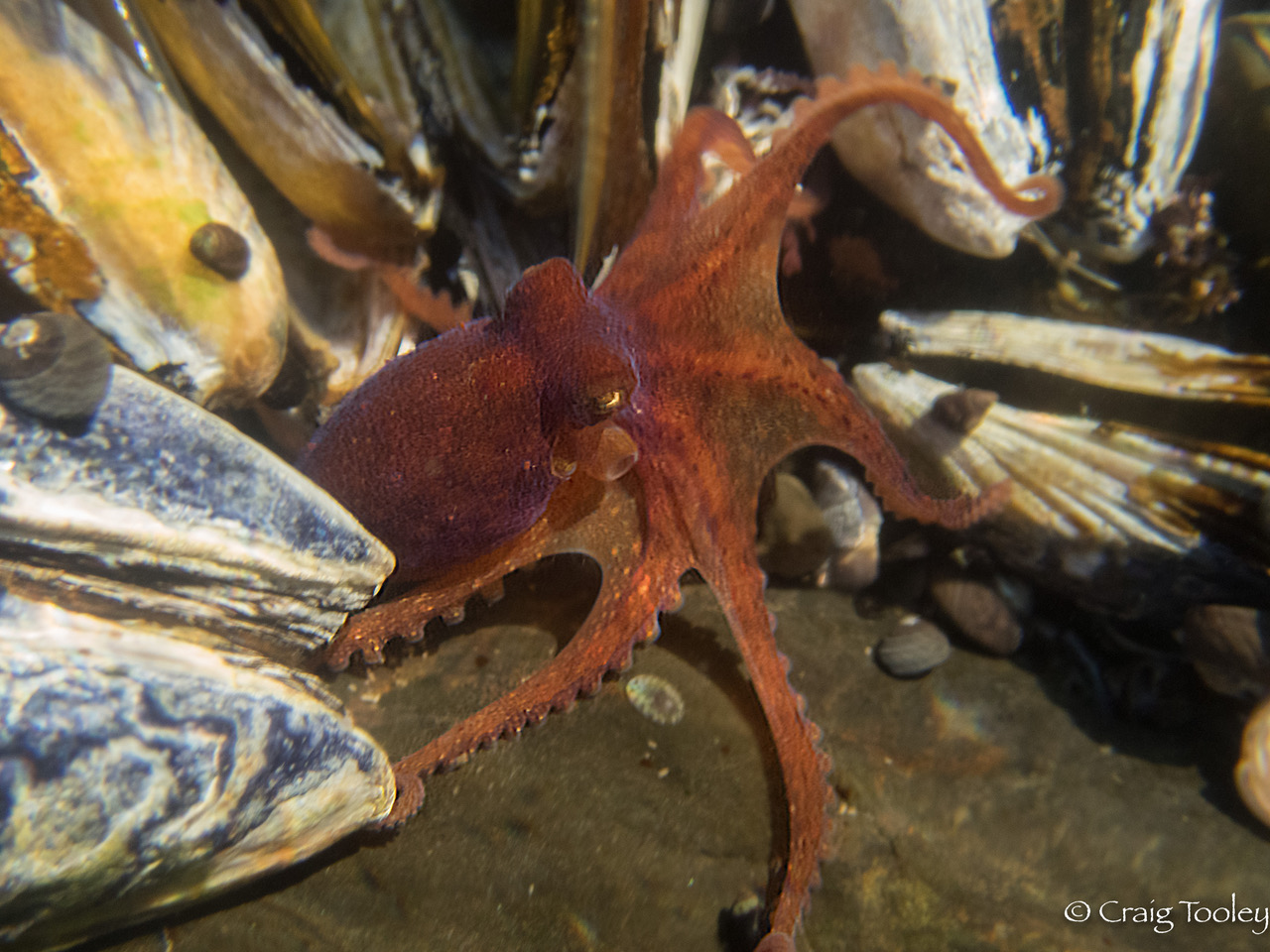
Craig Tooley noticed this Eastern Pacific Red Octopus, Octopus rubescens, in a mussel bed.

I showed Craig's photo to Robert Van Syoc and he wrote:

"It’s pretty common in the intertidal and shallow subtidal zones from Baja up to the Gulf of Alaska. It commonly feeds on small crabs, snails, clams and mussels. Since Craig captured this photo of it in a mussel bed, it may have been dining on some of the smaller mussels in the bed.”

There are so many fascinating creatures that live in the intertidal zone, which we can observe at low tide.

Thanks to Craig for allowing me to share his photo with you here. To see much more of Craig's nature photography, here is his website: www.ruffimage.com

2 Comments

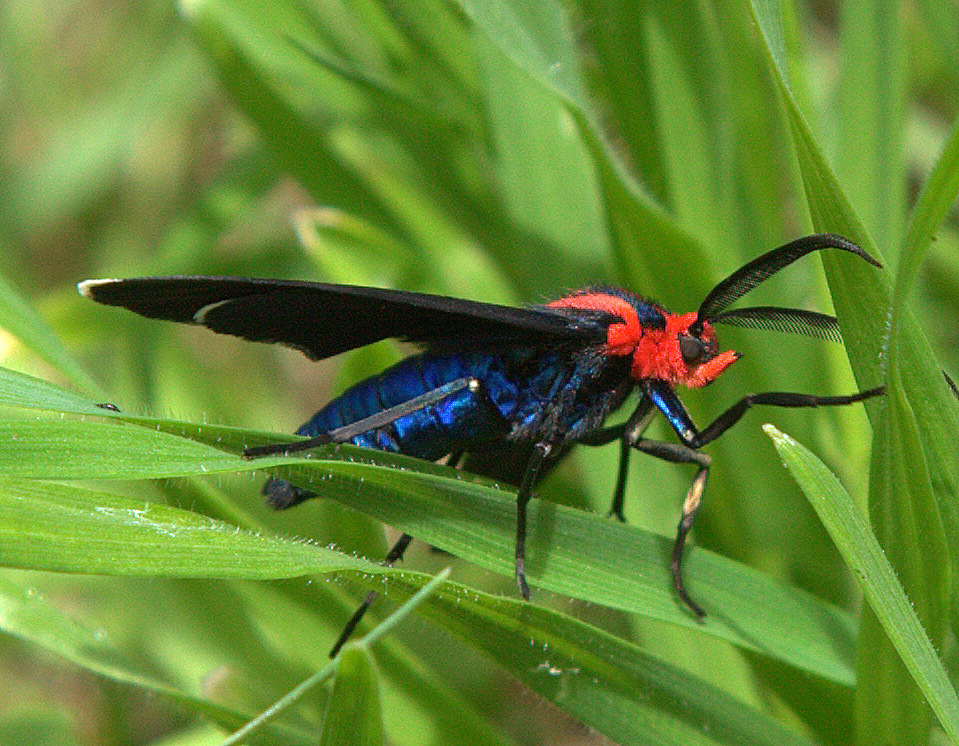
Mark Ricci noticed this colorful moth. It's a Ctenucha Multifaria Moth.


This moth is a member of the Erebidae family. It is found in California and western Oregon. It's a day-flying moth and has been nicknamed the 4th of July moth, as it appears in July. Notice the antennae - Mark got a wonderful photo of this colorful moth!

Thanks to Mark for allowing me to share his photo with you here.

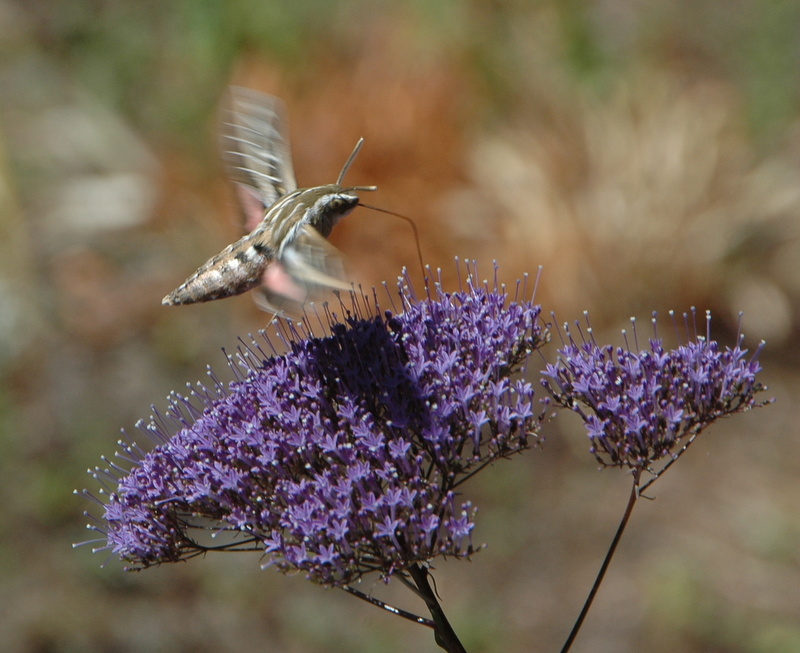
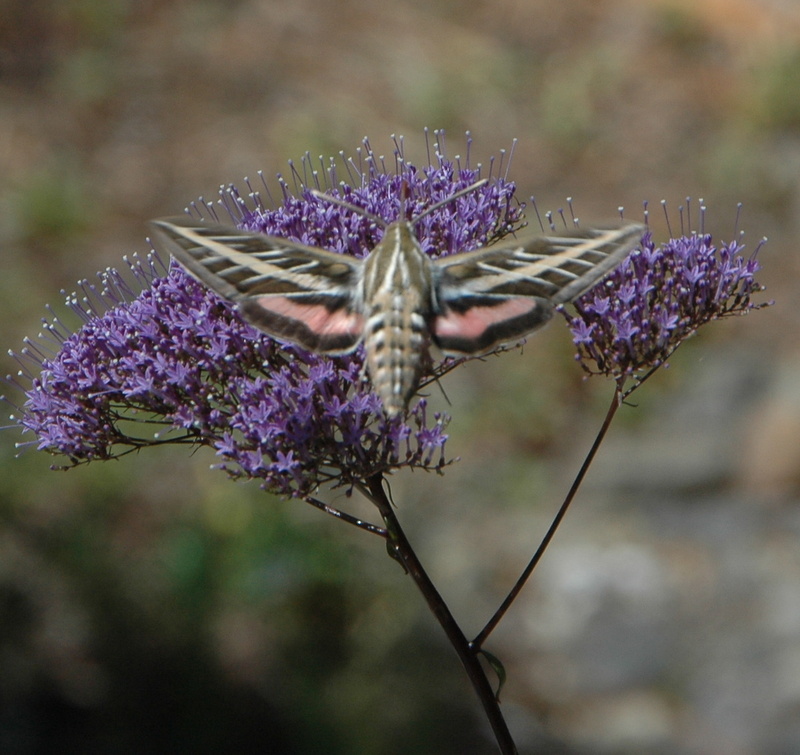
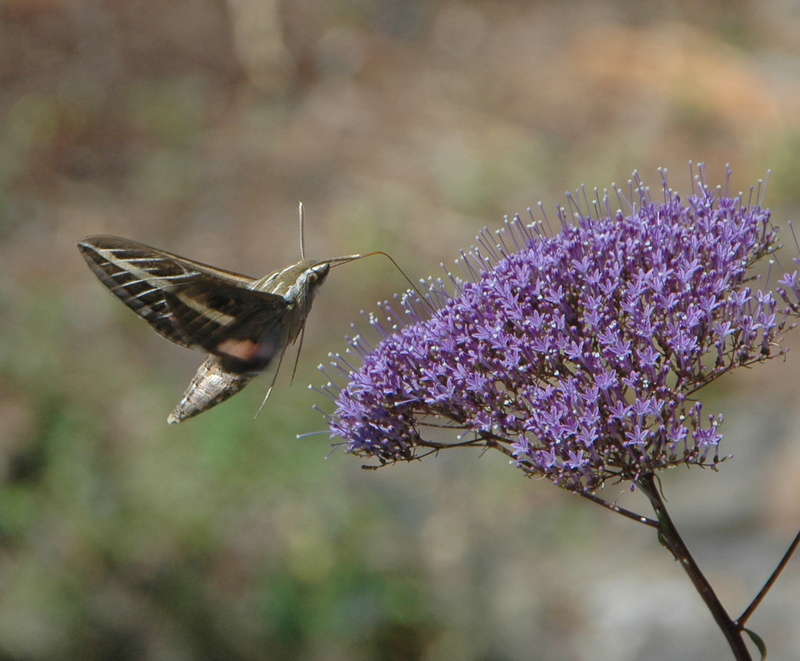
Bob Rutemoeller and Mary Sue Ittner noticed this beautiful moth feeding on a plant in their garden. It's a Hummingbird Moth, or a White-lined Sphinx Moth.

This moth has a very long tongue, with which she sips nectar from flowers. You can also see this moth's antennae, a giveaway that it is a moth, not a bird.

Thanks to Bob for allowing me to share his photos with you here.