Author Archives: Jeanne Jackson

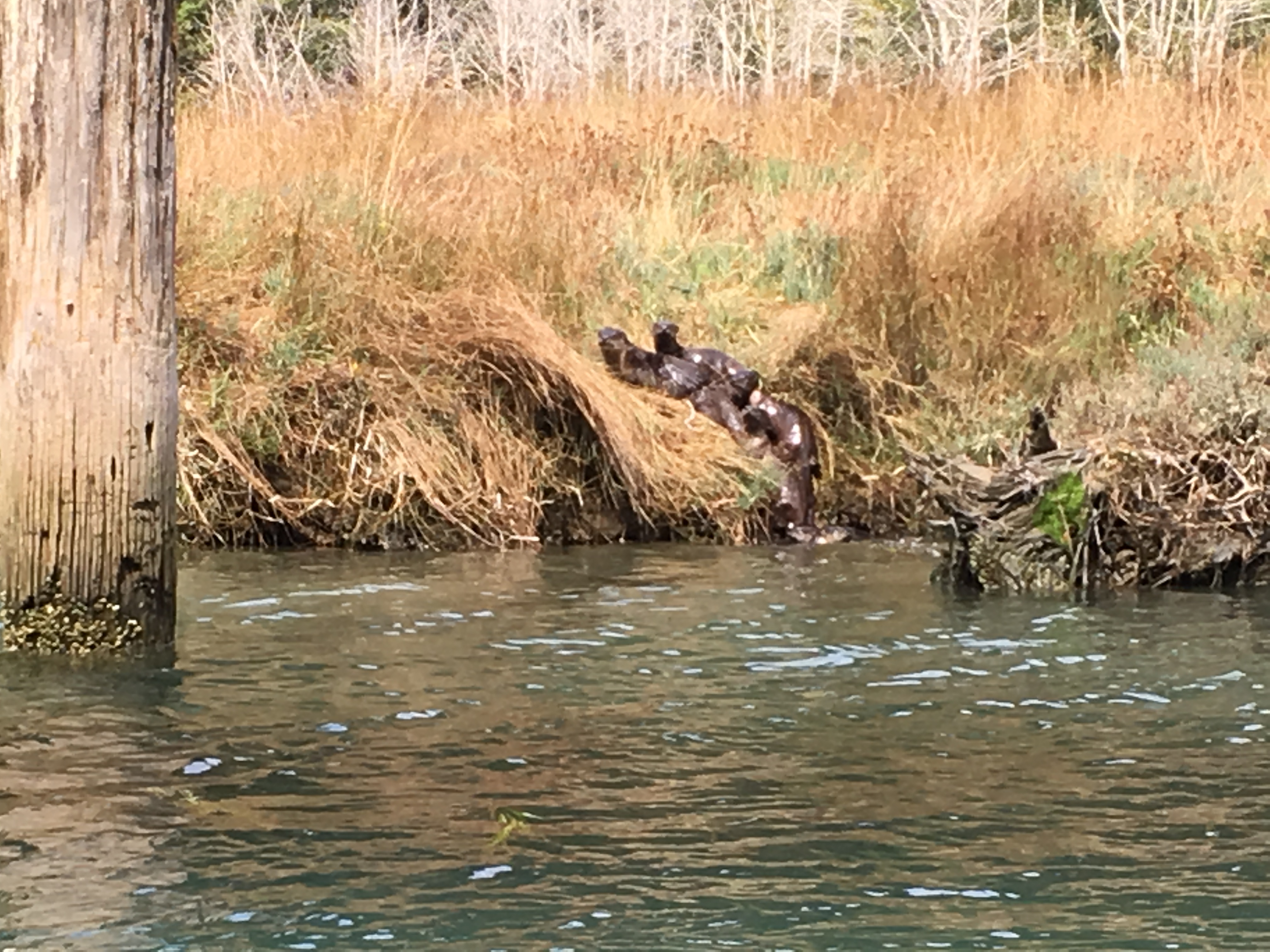
Loren Adrian wrote, "Here are a couple of shots from Big River right after the big heat wave. There was a family of [River] Otters on the lower end of the river, a mother and her four offspring. My wife and I paddled up the river about two hours, then returned after we came across a log jam. It was a nice day on Big River.”
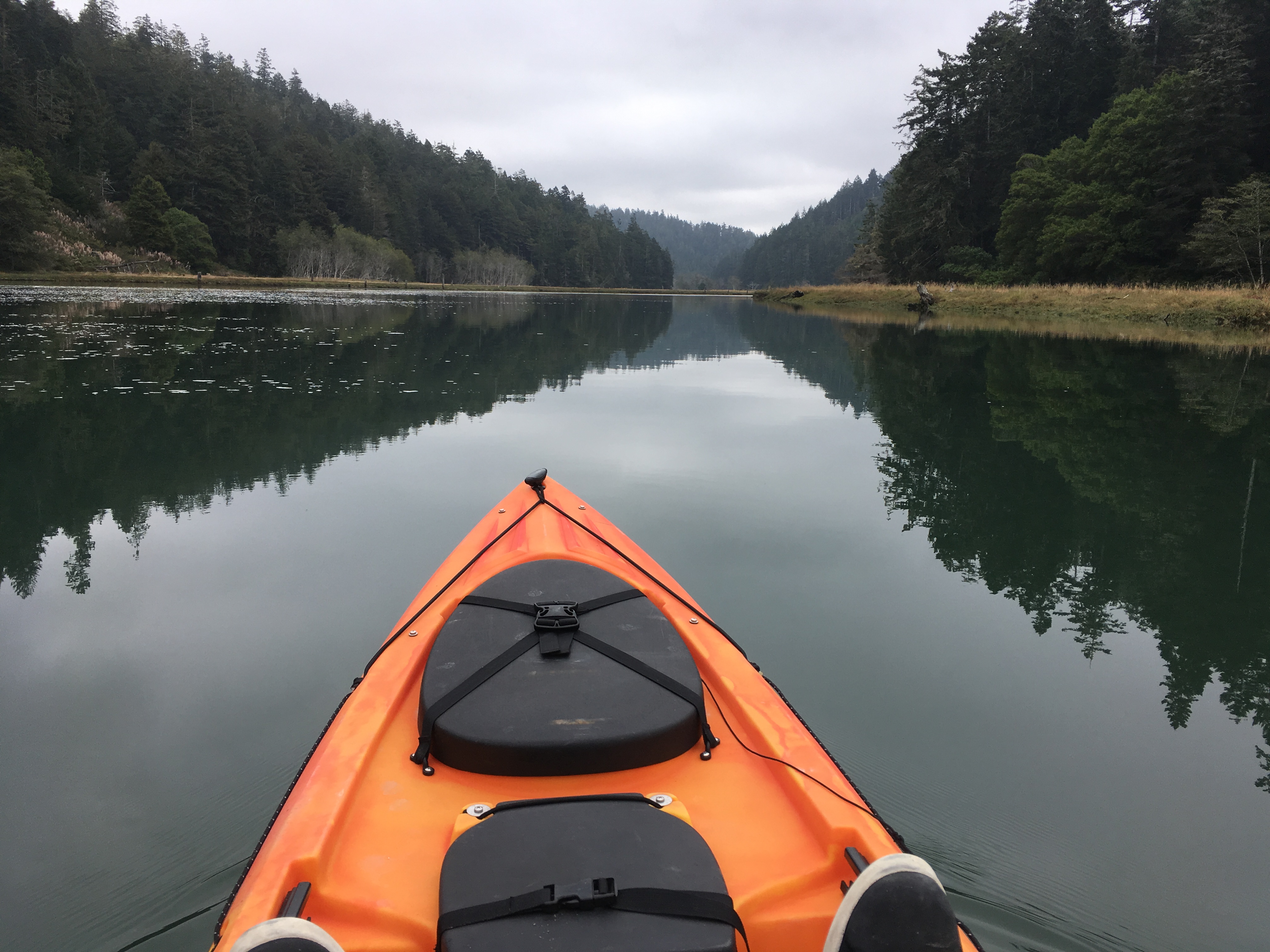
If you haven’t explored the trails at Big River, you are in for a treat. The Mendocino Land Trust acquired over 7000 acres in 2002. There is a ten-mile trail, formerly a haul road, that connects Big River Beach to Mendocino Woodlands State Park. You can hike or bike there, with the river flowing gently by your side. It is now part of California State Parks.

To learn more about the Big River Trail, here is the link to the Mendocino Land Trust: https://www.mendocinolandtrust.org/trails/central-coastal-trails/big-river-trail/

Thanks to Loren for allowing me to share his photos with you here.
2 Comments

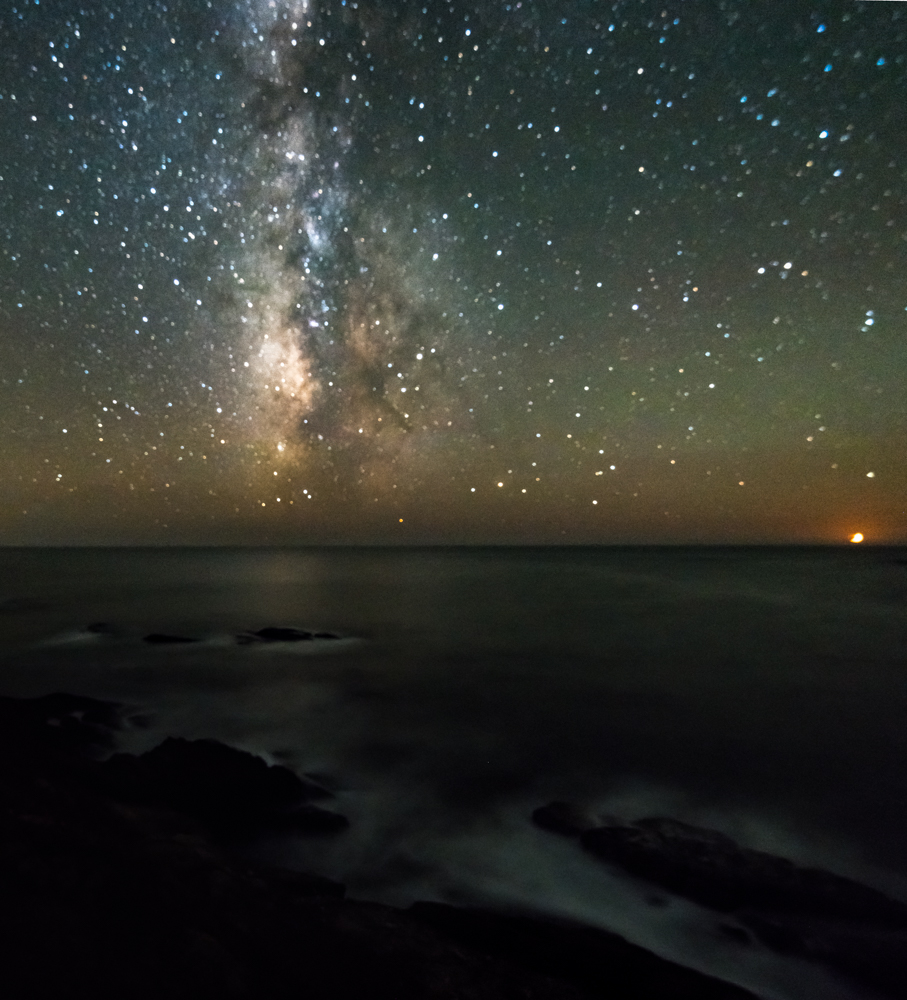
Paul Brewer photographed this majestic sight - the Milky Way. See the setting moon on the right.

We are lucky to have a lack of light pollution on the Mendonoma coast. May it ever be so!

I asked Paul how he photographed this. He wrote, "Simple answer, long exposure (20-30 seconds) at high ISO and maximum aperature available on a wide angle lens, with tripod."

For those interested in a more detail explanation, Paul wrote, "Two parts to the answer. To shoot the milky-way like this you need to gather light for an extended time. The time depends on the aperature of the lens. Fast lenses with F 2.8 or faster is preferred. Mine is only
f/4 and would benefit with a faster lens. The faster the lens the
shorter the exposure or lower the ISO to obtain good results. Low ISO
and short exposure time both reduce the noise in the photo. The wider
the lens the longer you can expose without the stars becoming streaks
instead of points. Rule of thumb is divide 500 by the focal length of
the lens. In my case 500 divided by 16mm allows a 30 second exposure
which is what I used. My settings were ISO 4000 F/4 for 30 seconds.
You also need to be locked down on a tripod for those long
exposures, preferably shooting with mirror up on a DSLR to reduce
vibration. It is also helpful to shoot with long exposure noise
reduction turned on."

Thanks to Paul for allowing me to share his photo with  you here, and for the photography lesson. To see more of Paul's nature photography, here is his website: http://www.capturingnatureswonders.com/

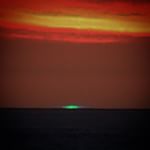
It is said that to see a green flash will bring you good luck. So I hope that if you on the Mendonoma coast, you will take the time to watch the sunset. A green flash sometimes appears at the moment the sun is disappearing from view. This first photo was taken by Peter Cracknell. Note the emerald-green color and note the clear horizon.

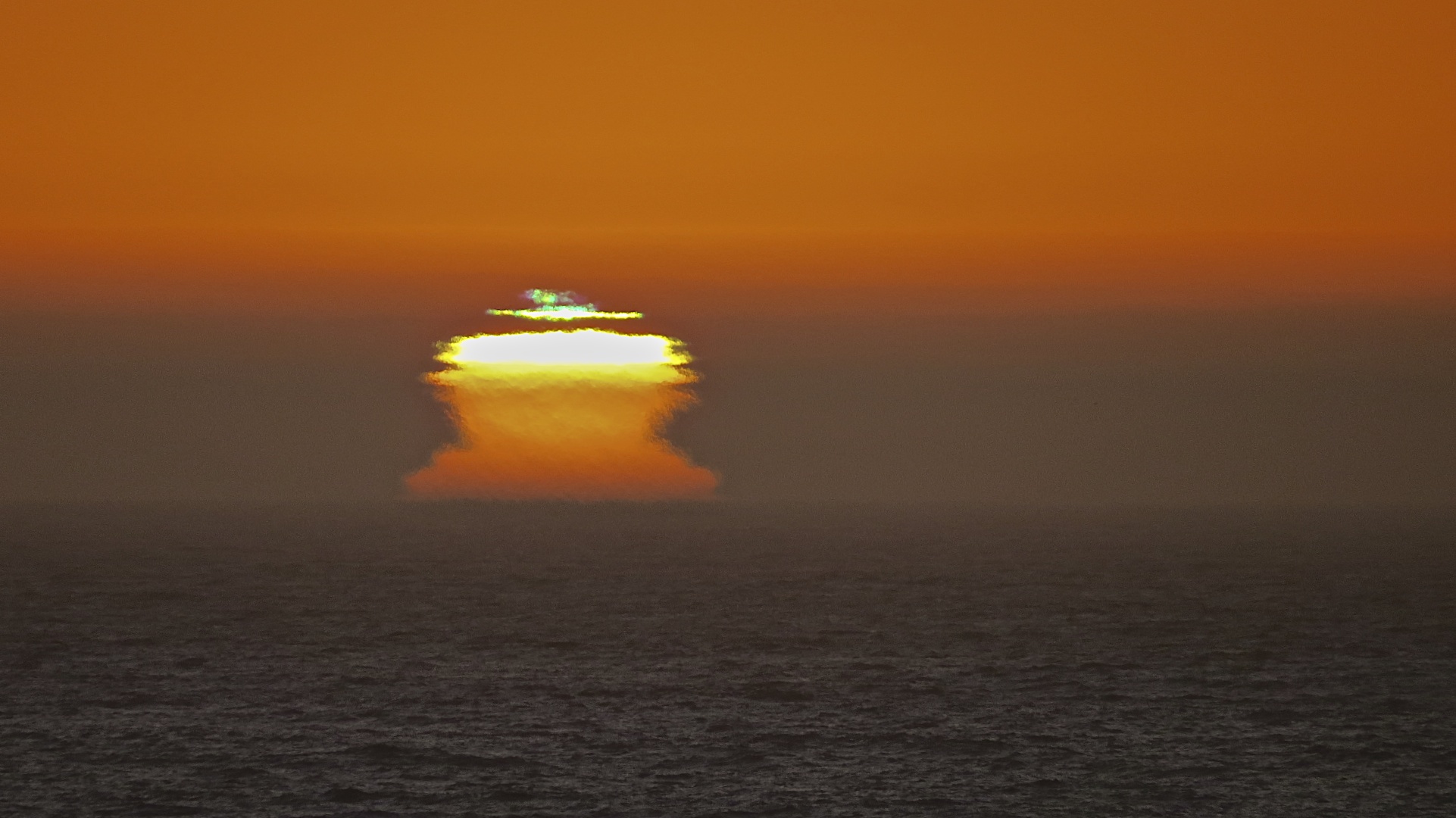
The green flash is a photographable mirage, caused by light refraction. Here is a photo by Richard Kuehn showing the classic hour-glass, where the top of the sun seems to pinch off from the bottom. You can see a green flash at the top of the hour-glass. But there might have been a bigger green flash a moment after Rich took this photo.

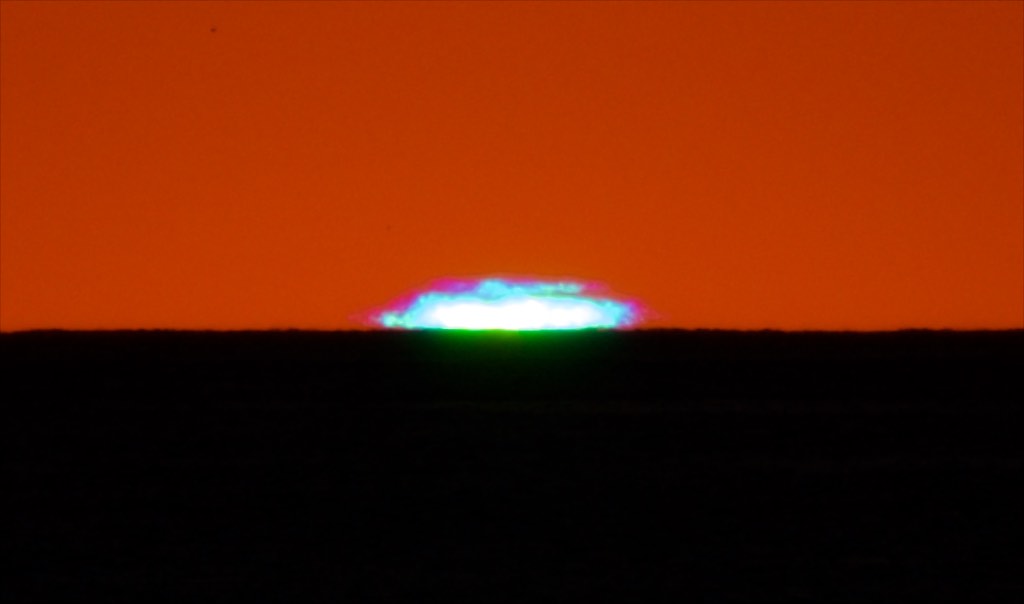
If you are extremely lucky, a green flash will morph into a blue flash. This photo was taken by Allen Vinson and it also has hints of purple on the edges - it's very rare to get a photo of this.

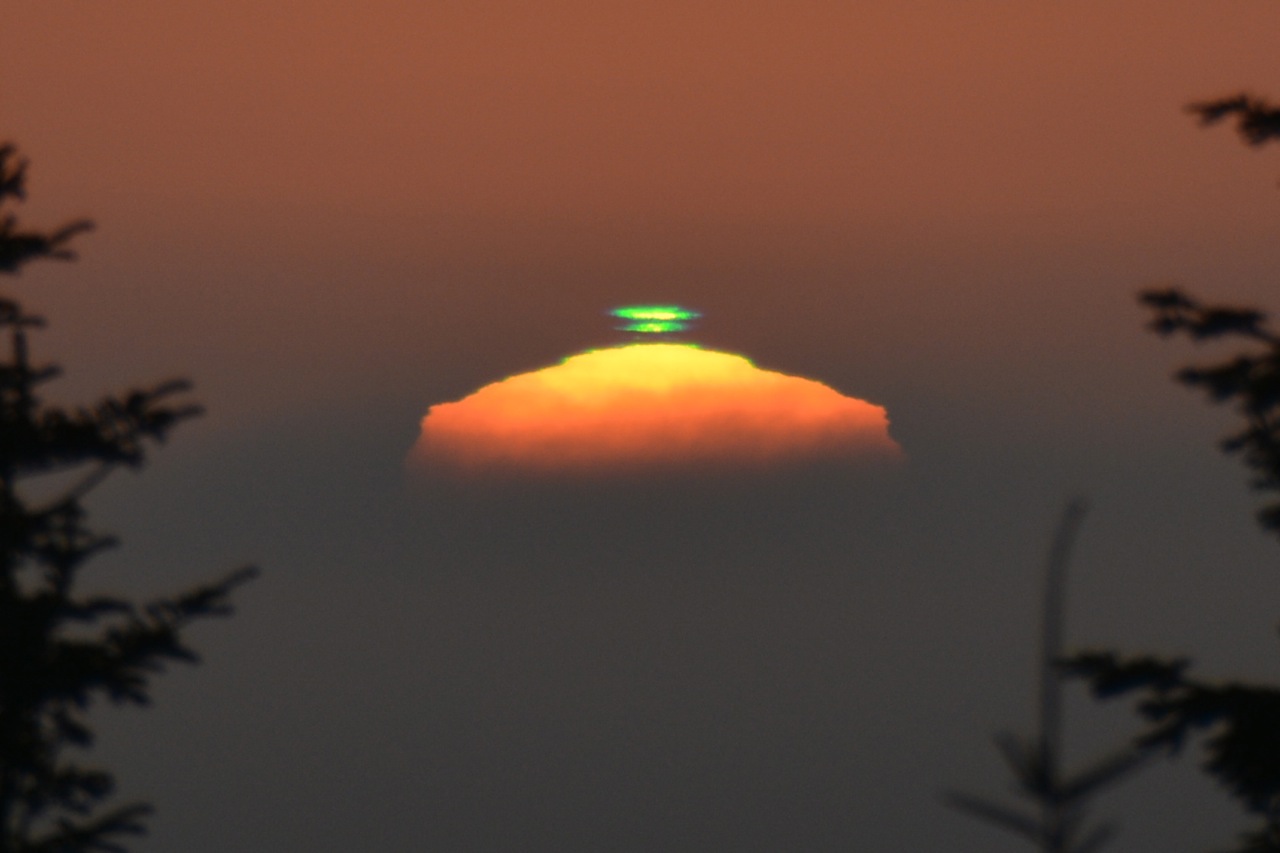
Allen also captured this green flash. Look! There are two green flashes in his photo.

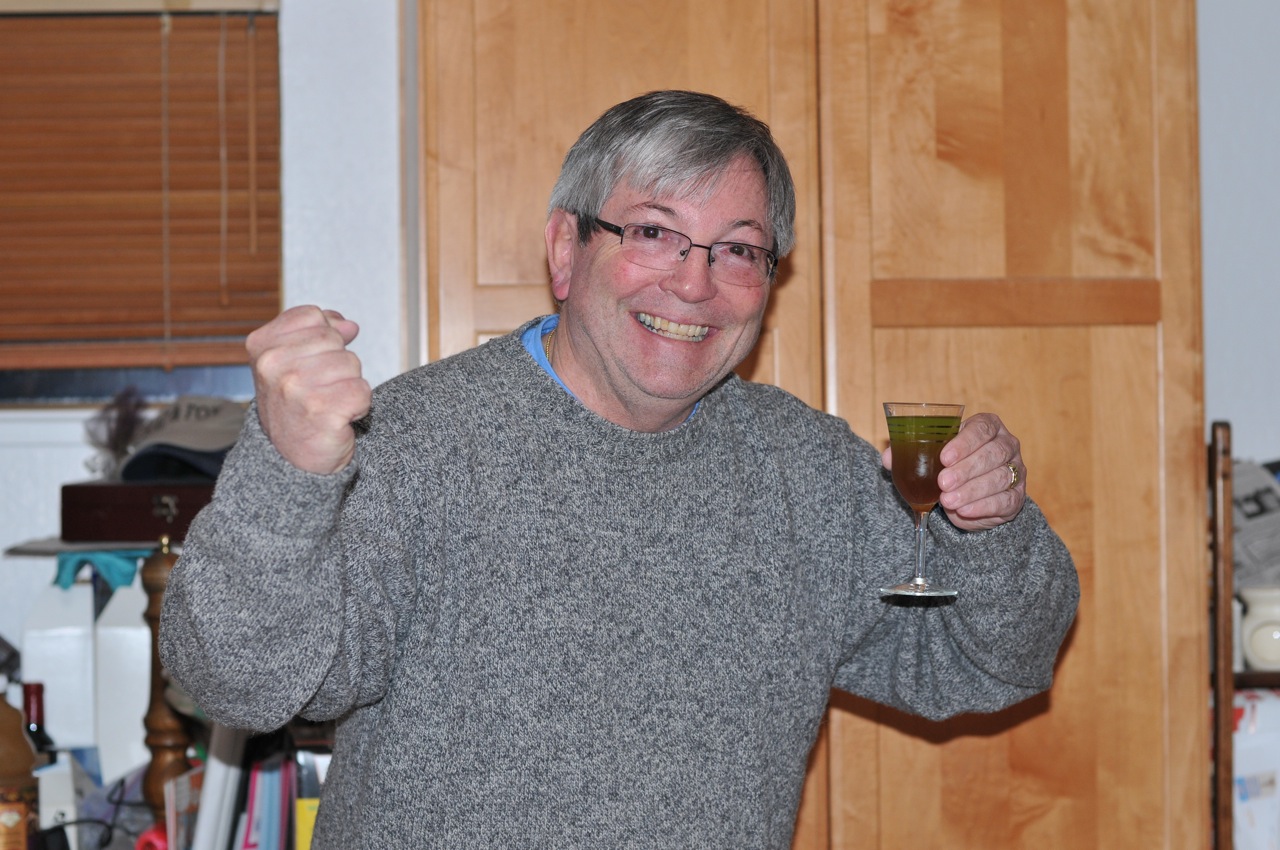
Allen always celebrates his green flash viewing with a green flash cocktail. Very civilized, Allen!

If you interested in learning the mechanics of a green flash, here is an article that might help: http://aty.sdsu.edu/explain/explain.html

I'll be watching the sunset tonight. How about you?

Thanks to Peter, Rich and Allen for allowing me to share their photos with you here.

2 Comments

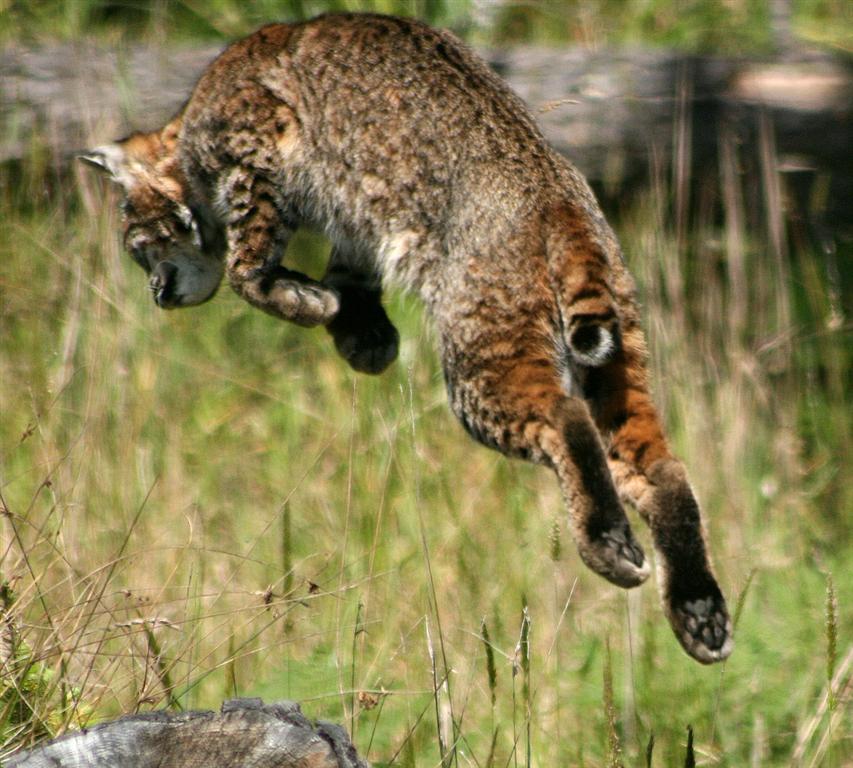
Artist Drew Fagan has a window to nature at his studio north of Gualala. One of my favorite photos of Drew's is this rare photo of a Bobcat mid-leap.

Drew graciously let me include his photo in my book, Mendonoma Sightings Throughout the Year. I call Drew's photo a "once in a lifetime photo."

Here is the link to view Drew's favorite photos set the beautiful sound of Eva Cassidy singing What a Beautiful World. http://drewfagan.com/outside/index.htm

And to see Drew's art, here is his home page: http://drewfagan.com/

I thank Drew for allowing me to share his photo and link to his slideshow with you here. When I witnessed the slideshow earlier today, I got goosebumps. It's good to remind ourselves of the exquisite beauty of our world, especially in these turbulent times.

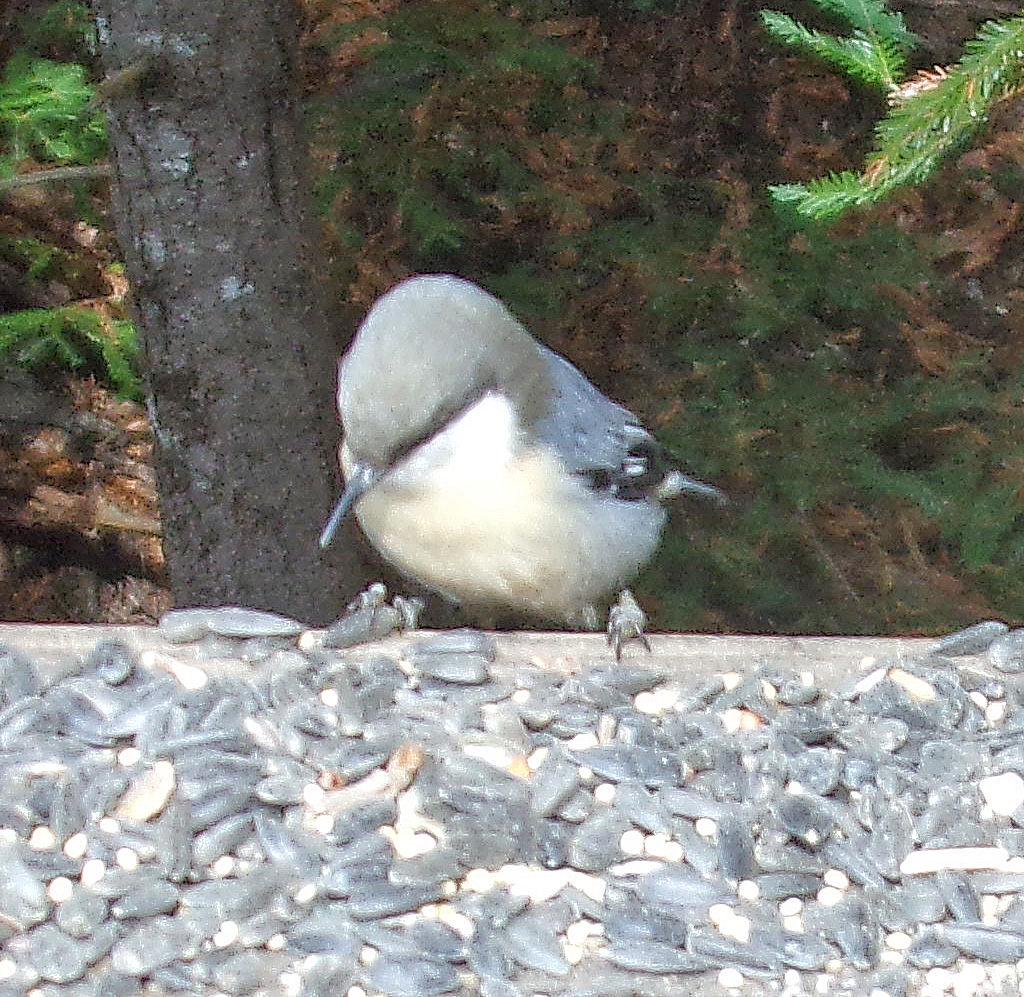
Bill Clark recently photographed this Pygmy Nuthatch.


These birds travel in flocks and you can hear them coming with their piping calls. They come to our birdbath in the heat of the day. You can listen to their call here: https://www.allaboutbirds.org/guide/Pygmy_Nuthatch/sounds

The Cornell Lab of Ornithology's website describes their calls like a rubber ducky being squeezed repeatedly. Funny!

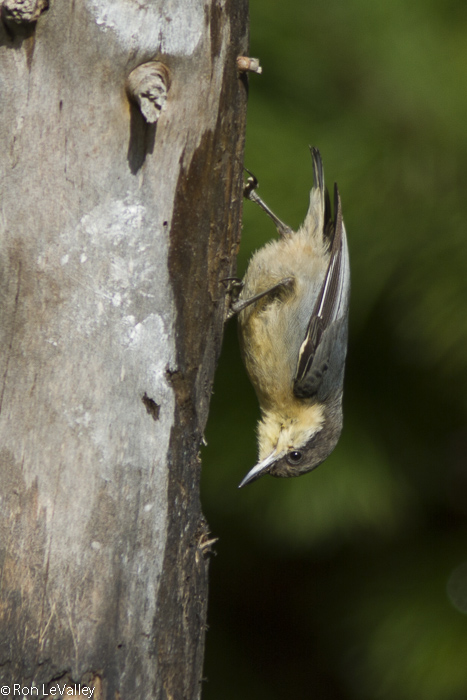
Here's a photo taken by Ron LeValley showing how these birds travel down a tree head-first, searching for insects and seeds.

I love these tiny, energetic birds, and often see them in the fall when we have our warmer weather. And I hear them in the trees too, many times accompanied by Chickadees.

Thanks to Bill and Ron for allowing me to share their photos with you here. To see much more of Ron's nature photography, here is his website: http://levalleyphoto.com/home/

The fog returned this morning, so our latest heat wave is over! We love our natural air conditioning, the fog.