Author Archives: Jeanne Jackson

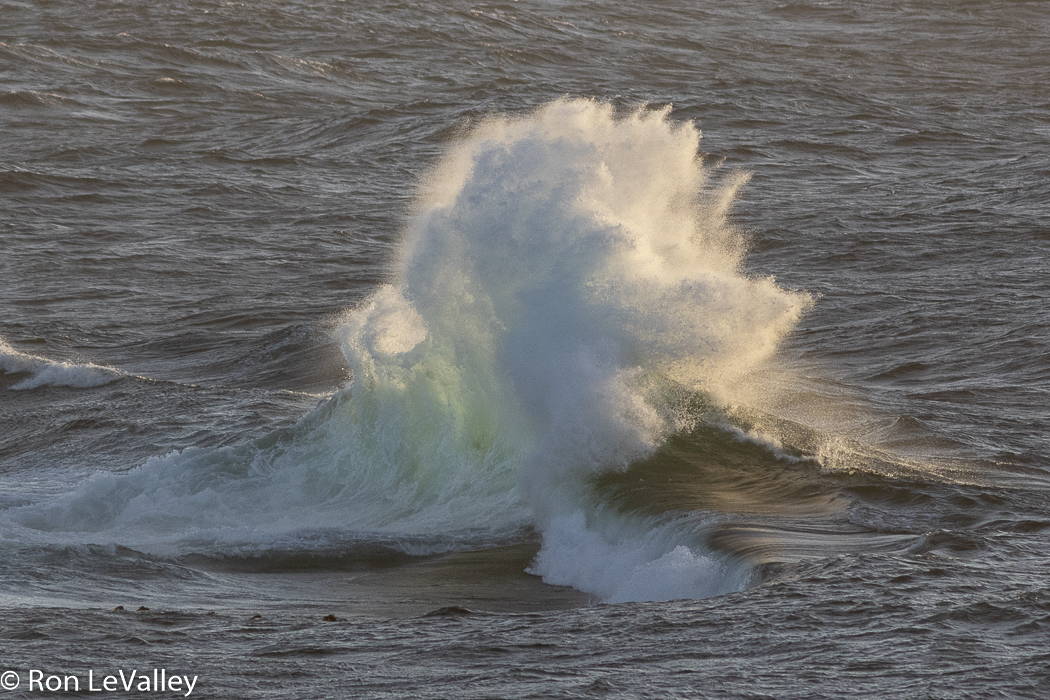
The Pacific Ocean has become more active, presumably from storms to our north. It's fun to hear the ocean speaking louder with its crashing waves. Ron LeValley recently photographed a beautiful wave.
The rain we had several weeks ago has coaxed the first Boletus edulis, King Boletes, to make a welcome appearance. These first ones are being found closer to the bluffs, where fog has contributed to their appearance. Lisa Cracknell found a nice group of them!
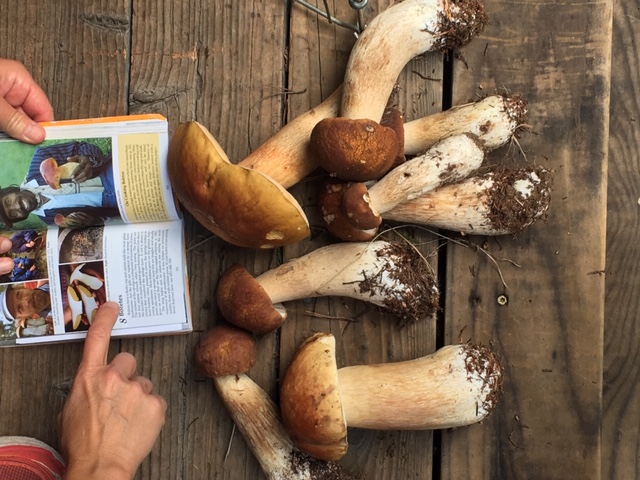
Lisa is  holding David Arora's wonderful pocketbook entitled "All That the Rain Promises and More." My copy is well-used - it's the go-to book when out in the forest. David's more comprehensive book is titled "Mushrooms Demystified." I highly recommend them. If you need a copy or either one, please consider purchasing them at the Four-eyed Frog Bookstore in Gualala. https://www.foureyedfrog.com/

Thanks to Ron and to Lisa for allowing me to share their photos with you here. To see much more of Ron's nature photography, here is the link to his website: http://levalleyphoto.com/home/
2 Comments

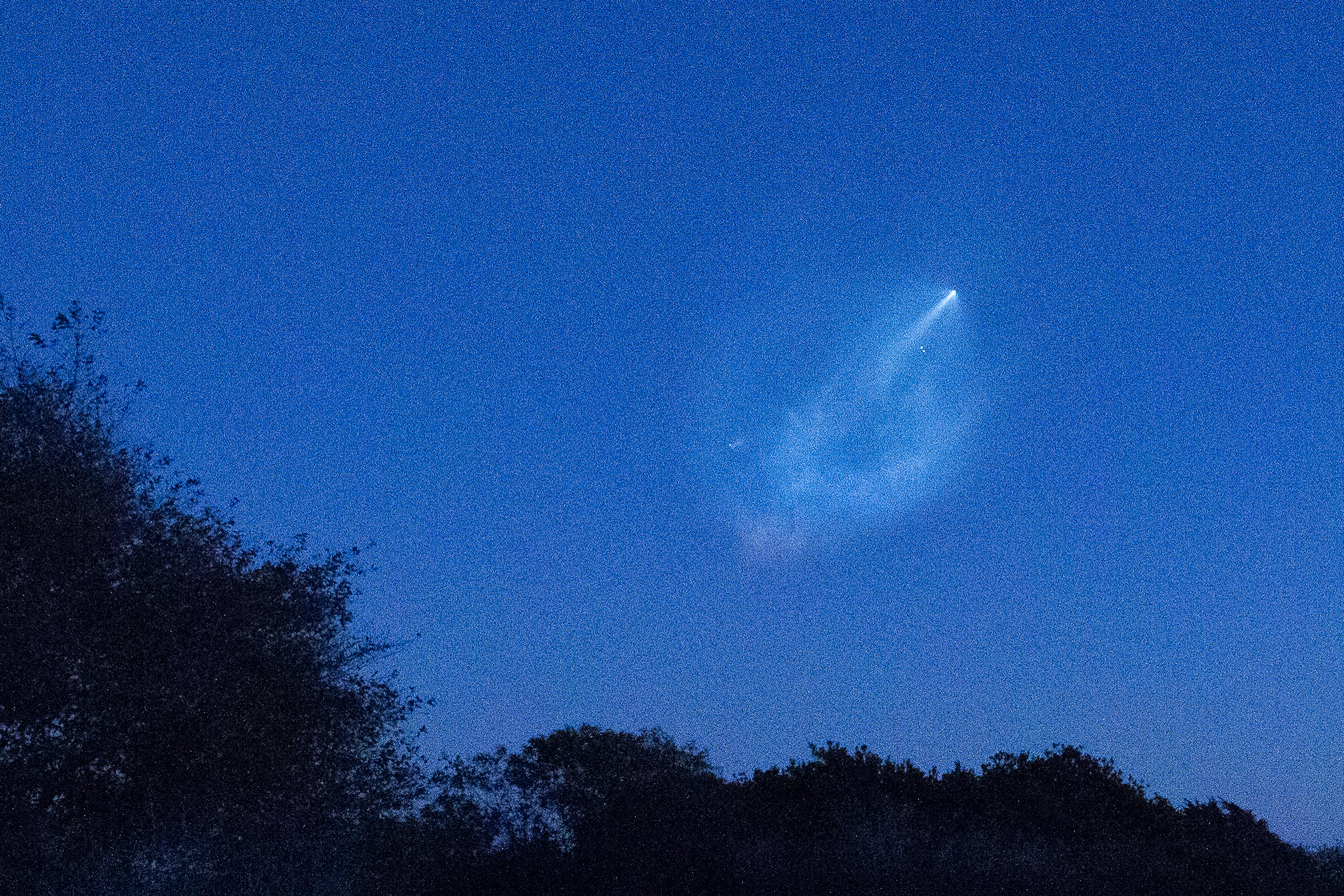
Skies were clear on October 7th,  prompting some of our talented photographers to try to capture the night sky, the Milky Way being one of their main goals. Paula Power found an anomaly in the sky Sunday night. She wrote, “Our photo group [the North Coast Photographers Group] got together to do some night sky images. While waiting in the parking lot at Shell Beach, we saw this spacecraft appear in the sky about 7:30 pm.

We couldn’t figure out what it was! It had a plasma-like cloud around it. It hovered and slowly moved northwest, and then suddenly kind of disappeared. We joked about UFOs, and then I read about the SpaceX launch!”

Pretty wonderful sighting! Thanks to Paula for allowing me to share it with you.  To learn more about the North Coast Photographers Group, here is the link: http://gualalaarts.org/interest-groups/north-coast-photographers-group/All photographers are welcome!

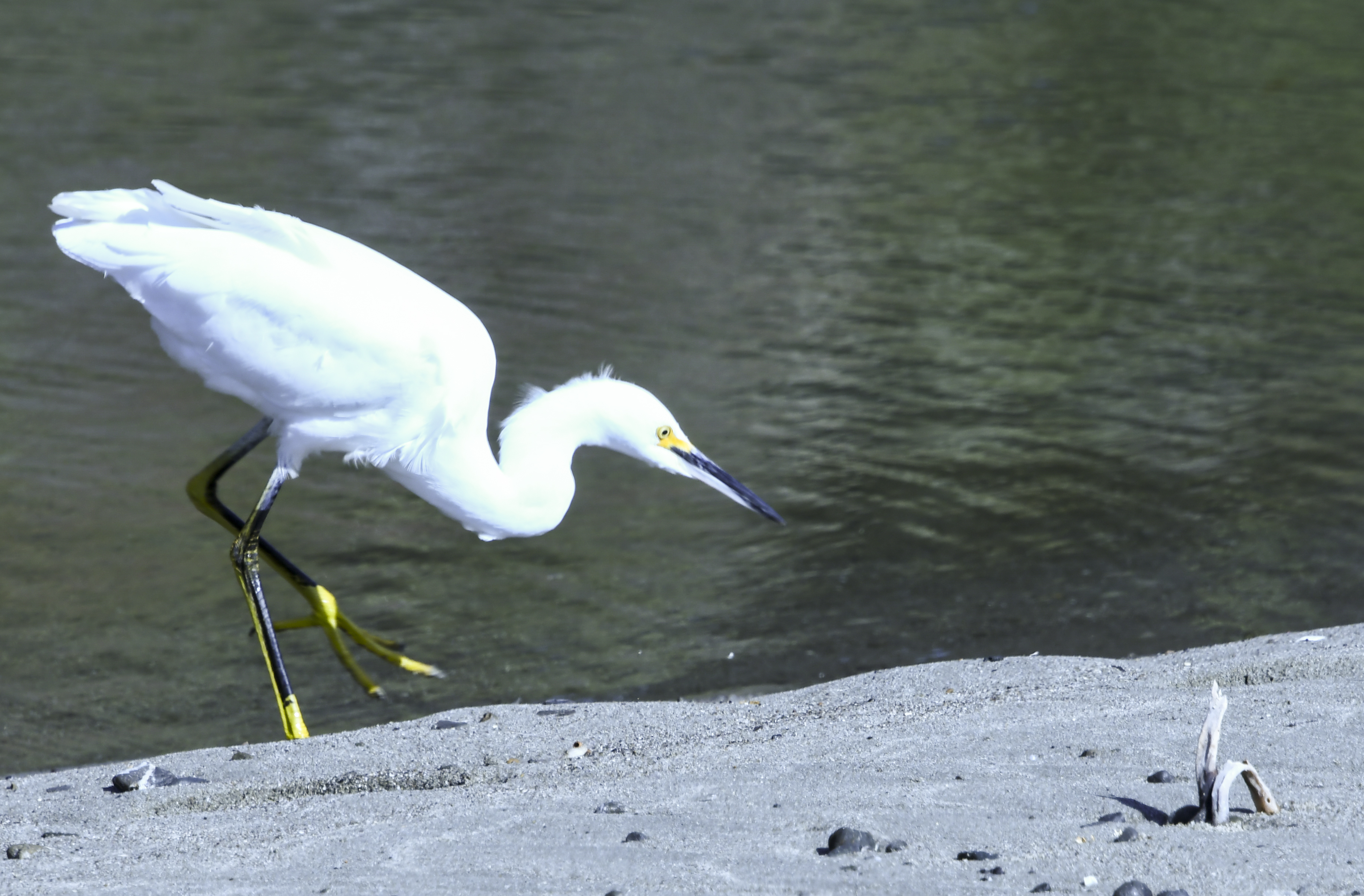
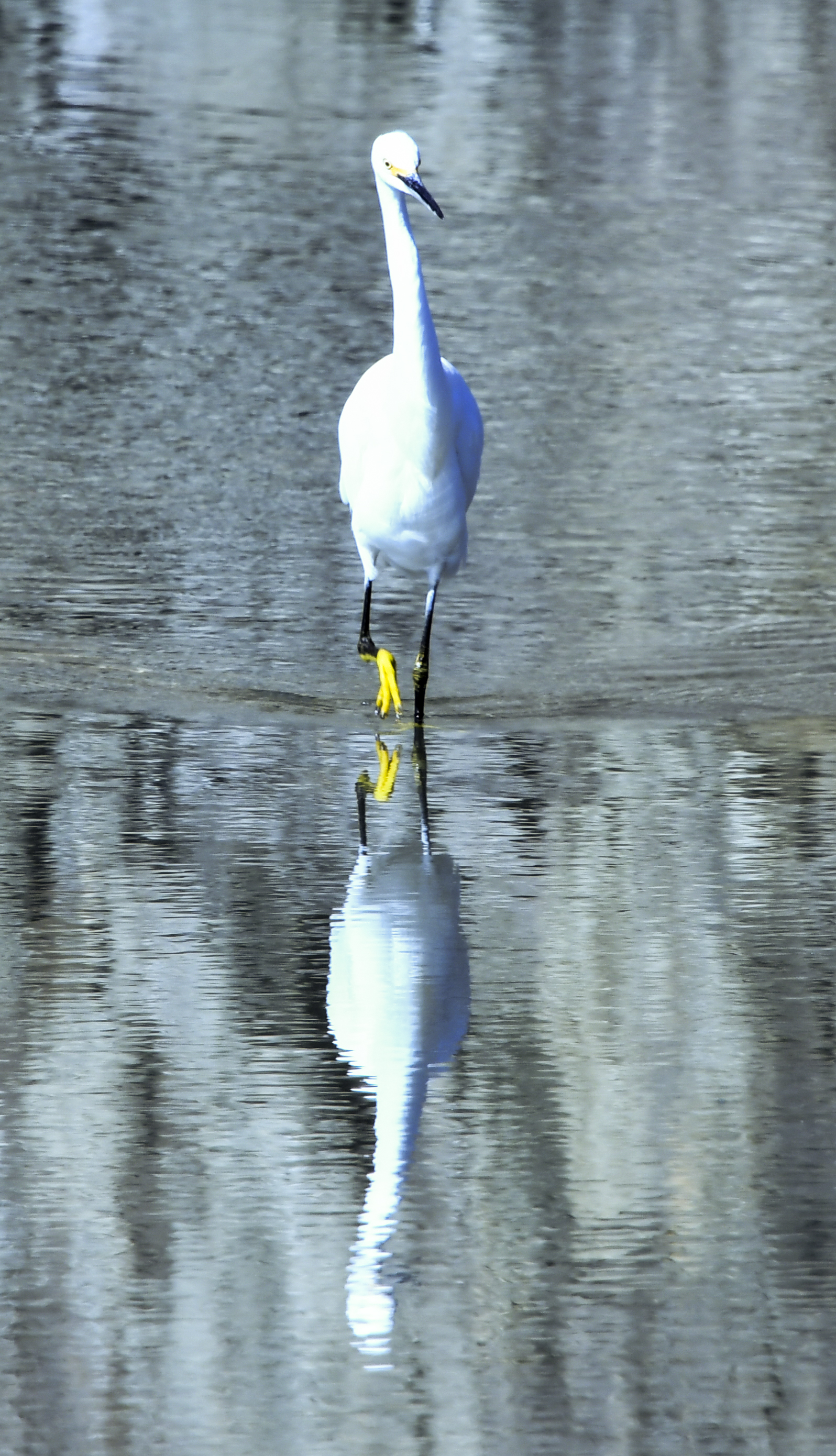
Barry Weiss was near Casper when he spotted this Snowy Egret striding along in a lagoon, with its reflection in the water.

Here it looks like the Snowy Egret spotted something tasty for dinner. These egrets have black bills.

They are an uncommon sighting on the Mendonoma coast. Great Egrets, on the other hand, are frequently seen here.

There is a third photo by Barry, which will be in my Mendonoma Sightings column tomorrow in Independent Coast Observer. Thanks to Barry for allowing me to share his photos with you here.

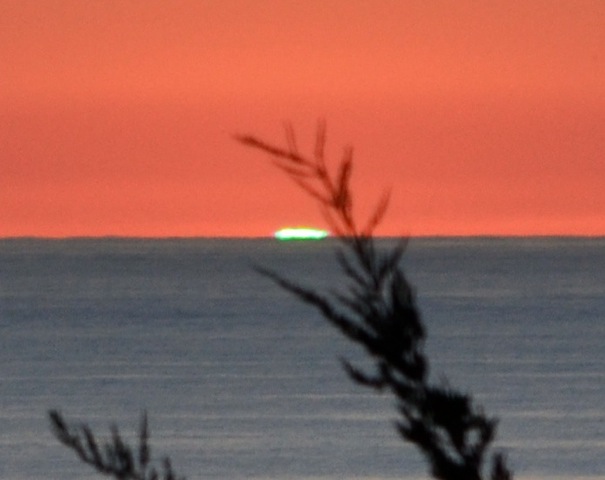
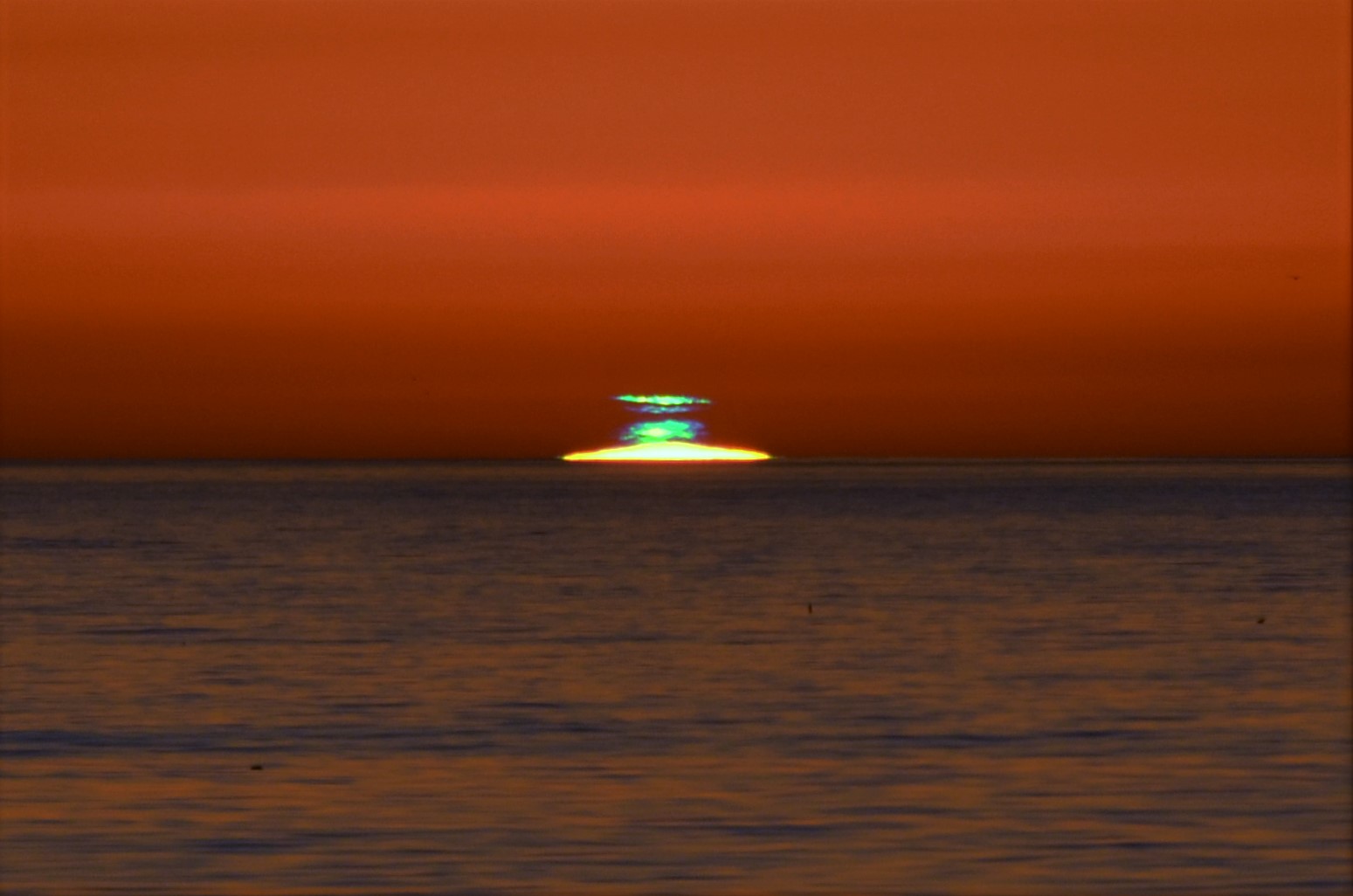
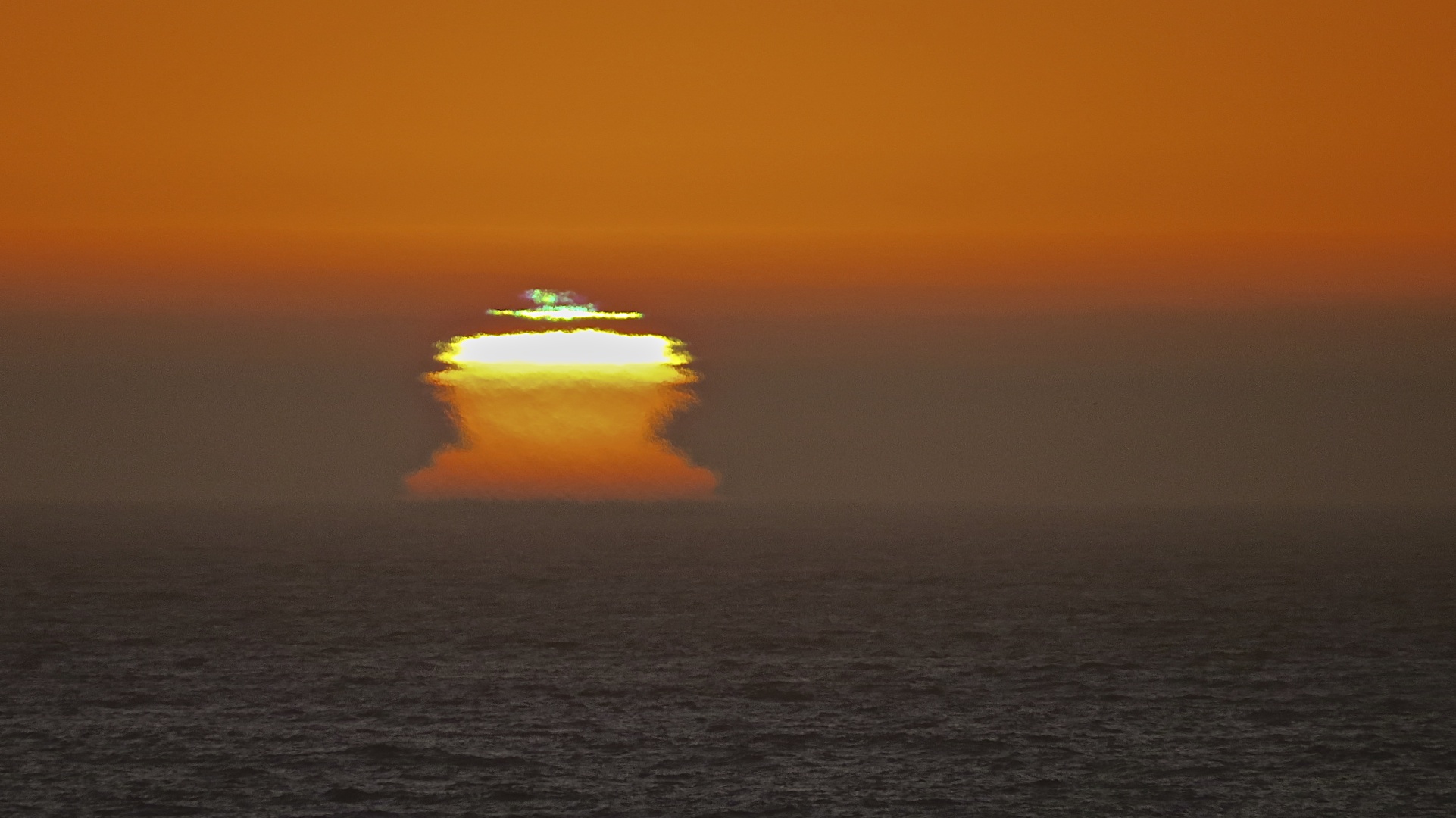
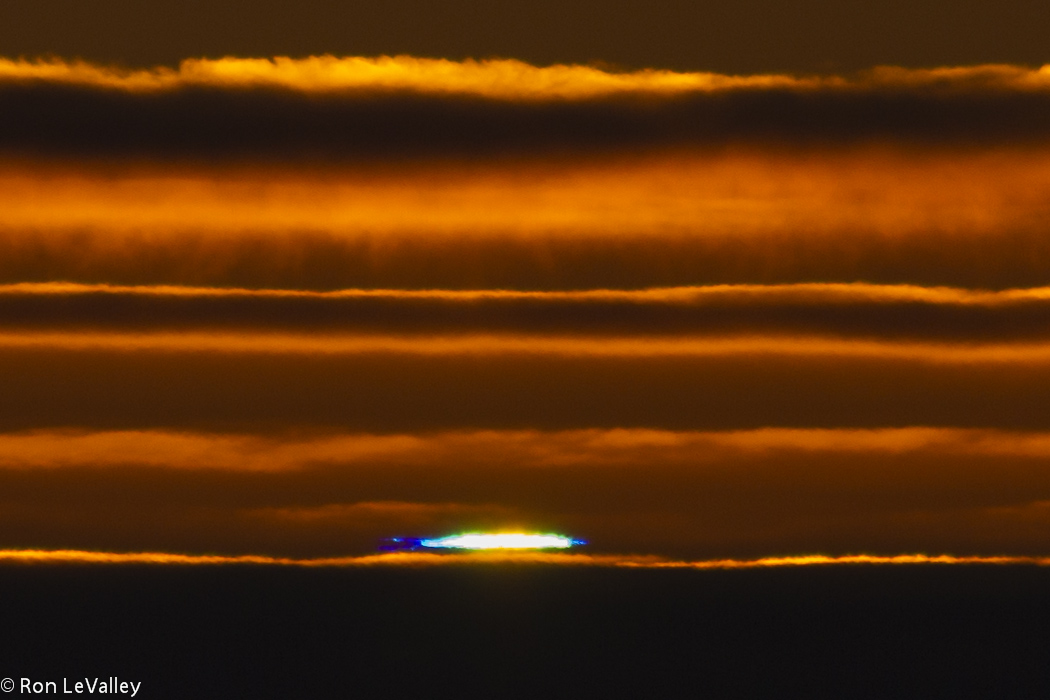
Green flashes are photographable  mirages. While you can see one at sunrise, I'm told, here on the Mendonoma coast most of us watch for a green flash as sunset. Over the years, coast photographers have captured green flashes. I thought I'd share some with you today.

Here is a photo taken by Don Spear. The green flash only lasts for a brief moment. If you blink, you will miss it!

Jim Grant's photo shows a double green flash. When I look at Jim's photo in full screen, I can see he also captured a green flash morphing into a blue flash, which you will see in Allen's photo below.

And here Rich Kuehn has photographed the classic green flash just beginning. The setting sun appears to narrow, becoming hour-glass shaped. What happens next is the top part appears to pinch off and it becomes a vibrant green flash.

On very rare occasions you might see a green flash morph into a blue flash, as photographed by Allen Vinson.

And the rarest of all was photographed by Ron LeValley - a green flash, no, a blue flash, no a violet flash!

Thanks to Don, Jim, Rich, Allen and Ron for allowing me to share their photos with you here. If you are interesting in purchasing Ron's photo, as Rick and I did, you can find it on Ron's website at this link:

http://levalleyphoto.com/home/
2 Comments

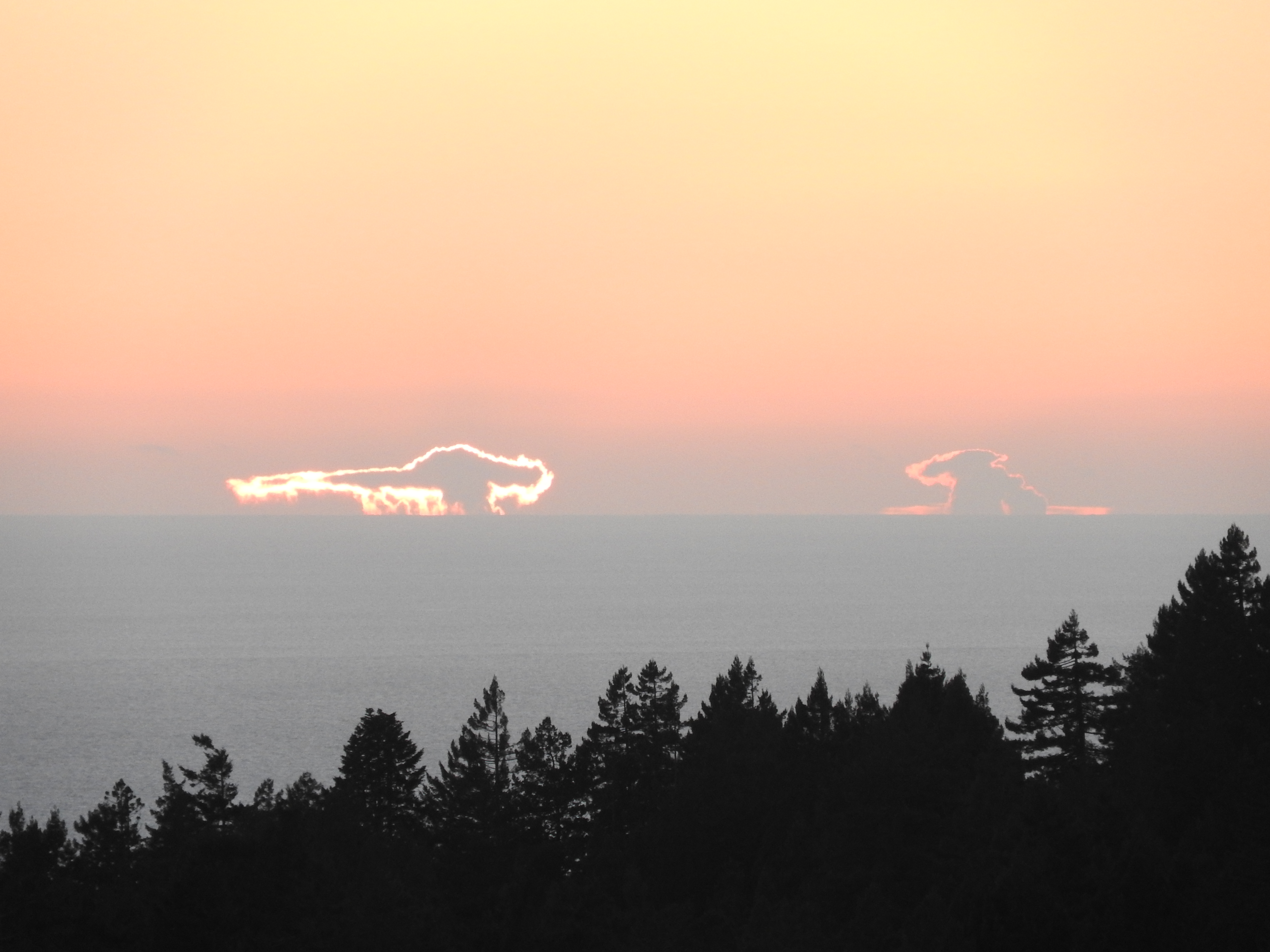
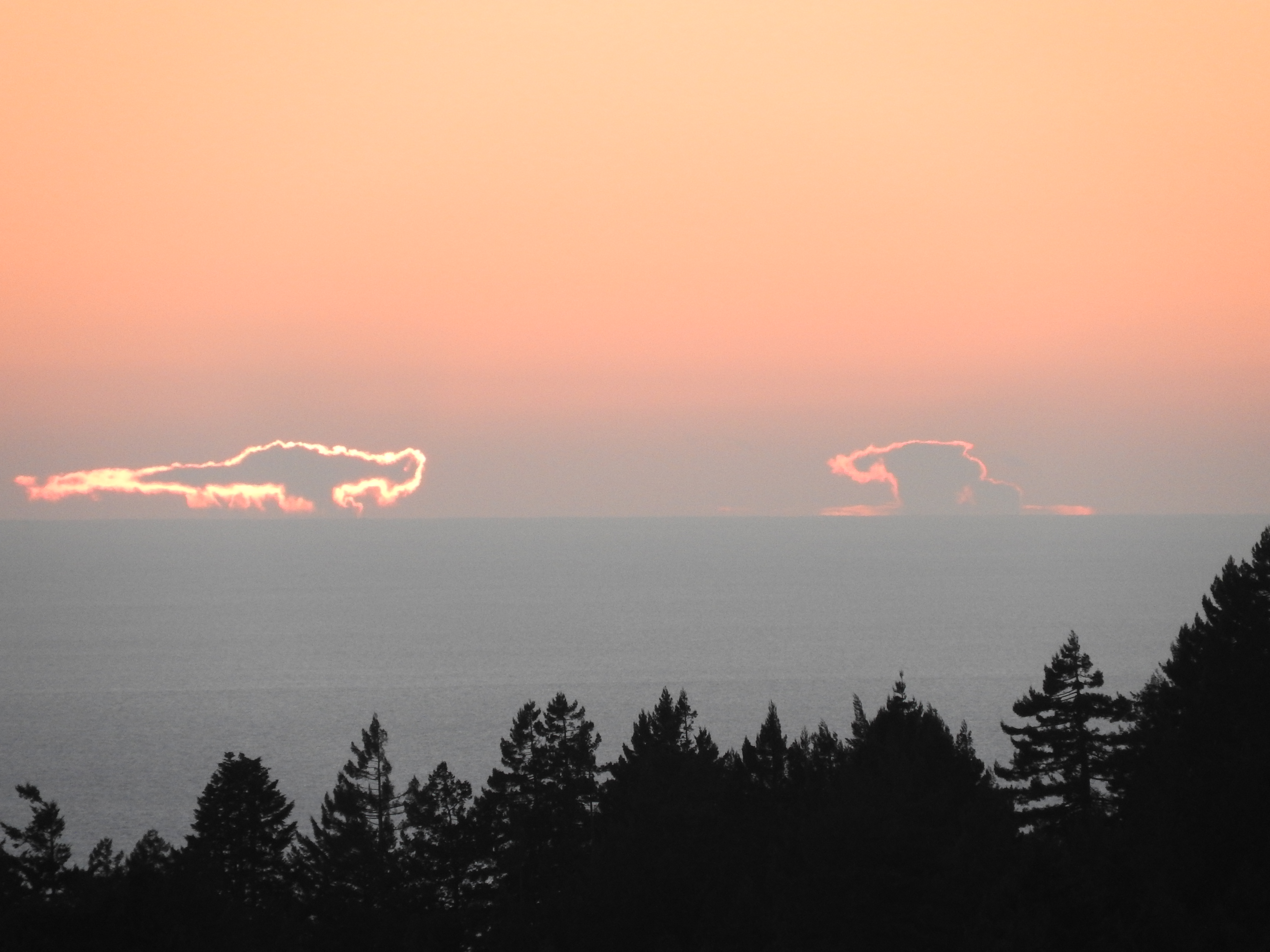
Sunset watching is a coast tradition; Rick and I try to always take the time to watch it. Several weeks ago I thought I was seeing a double sunset.

I queried Scott Gasparian about my photo, wondering if this was some kind of mirage. He wrote, "I see two super Cumulonimbus cloud cells, with anvil tops. The anvil top means they are very tall, like 40,000 feet at least, so can be seen way far away, and catch the sunlight they are closer to the sunset.

One must be in front of the sun, and the other off to the side. Mirage they would be the same, like mirror, they are different. Look careful and can see the rain and virga catching the light too. Good shot there."

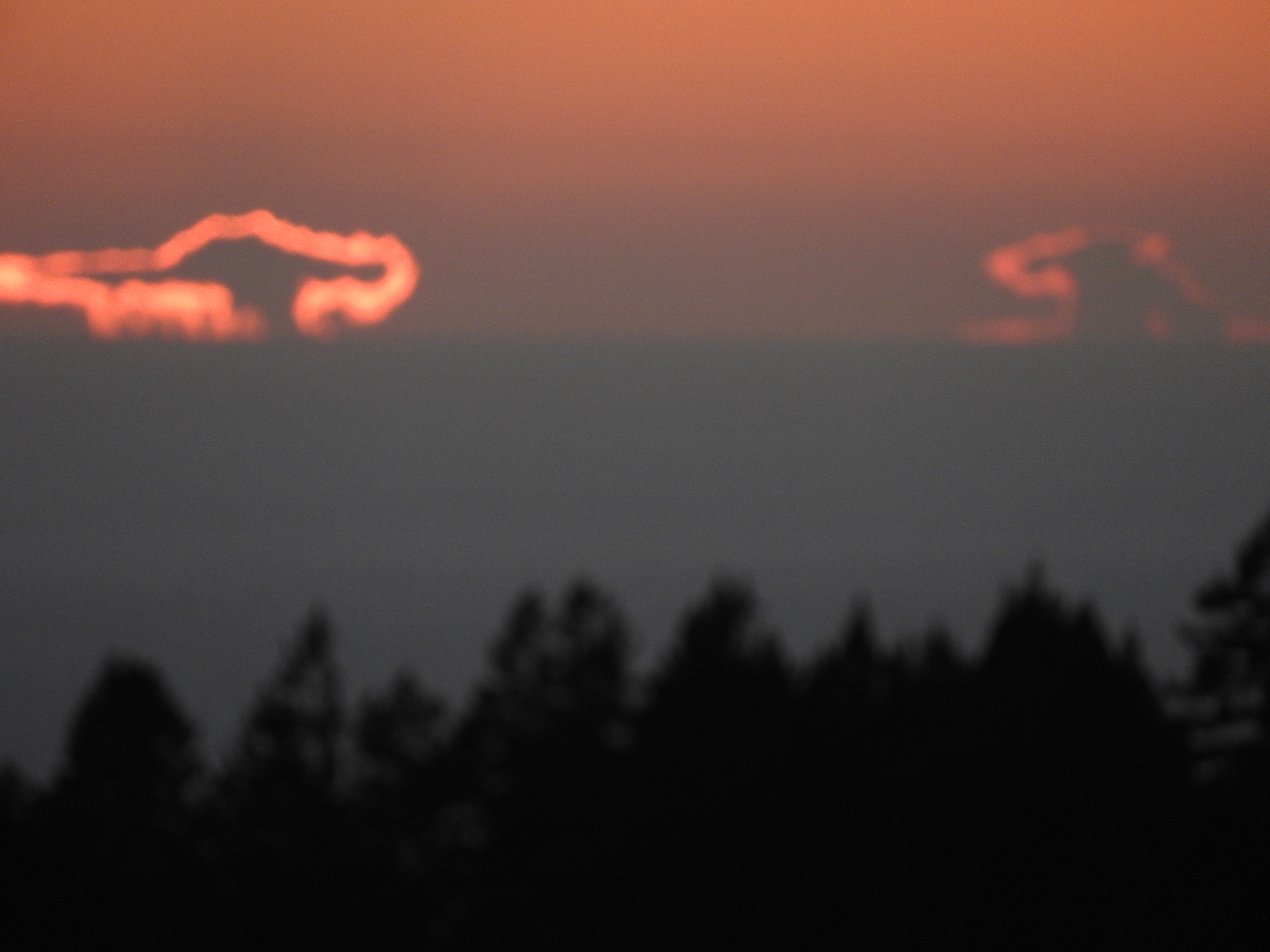
As the sun set, I got this photo with my long lens - I know, it's a little out of focus but still pretty cool to see. The sun set behind the storm cloud on the left.

I hope you enjoy my unusual sighting!

We started off the day near the coast in wet, drippy fog. The sun came out this afternoon. Humpback whales are still being seen, always an exciting sighting.